One day in Tokyo is not enough — but it's enough to fall completely in love with it.
If you're on a layover, a tight connection, or a wider Japan trip where Tokyo is just one stop, this is how we'd spend a single day. We've designed this itinerary to hit the most rewarding parts of the city without burning yourself out — because a day spent trying to do everything is a day spent doing nothing well.
This itinerary assumes you're starting from somewhere central (Shinjuku, Harajuku, Shibuya). Adjust your metro start point accordingly.
| Duration | One full day (approx. 7am–11pm) |
|---|---|
| Transport | Suica card on the metro |
| Budget | €50–80 per person (food + transport + one activity) |
| Best day | Any day — but avoid national holidays when Tsukiji gets crowded |
7:00am — Tsukiji Market Breakfast
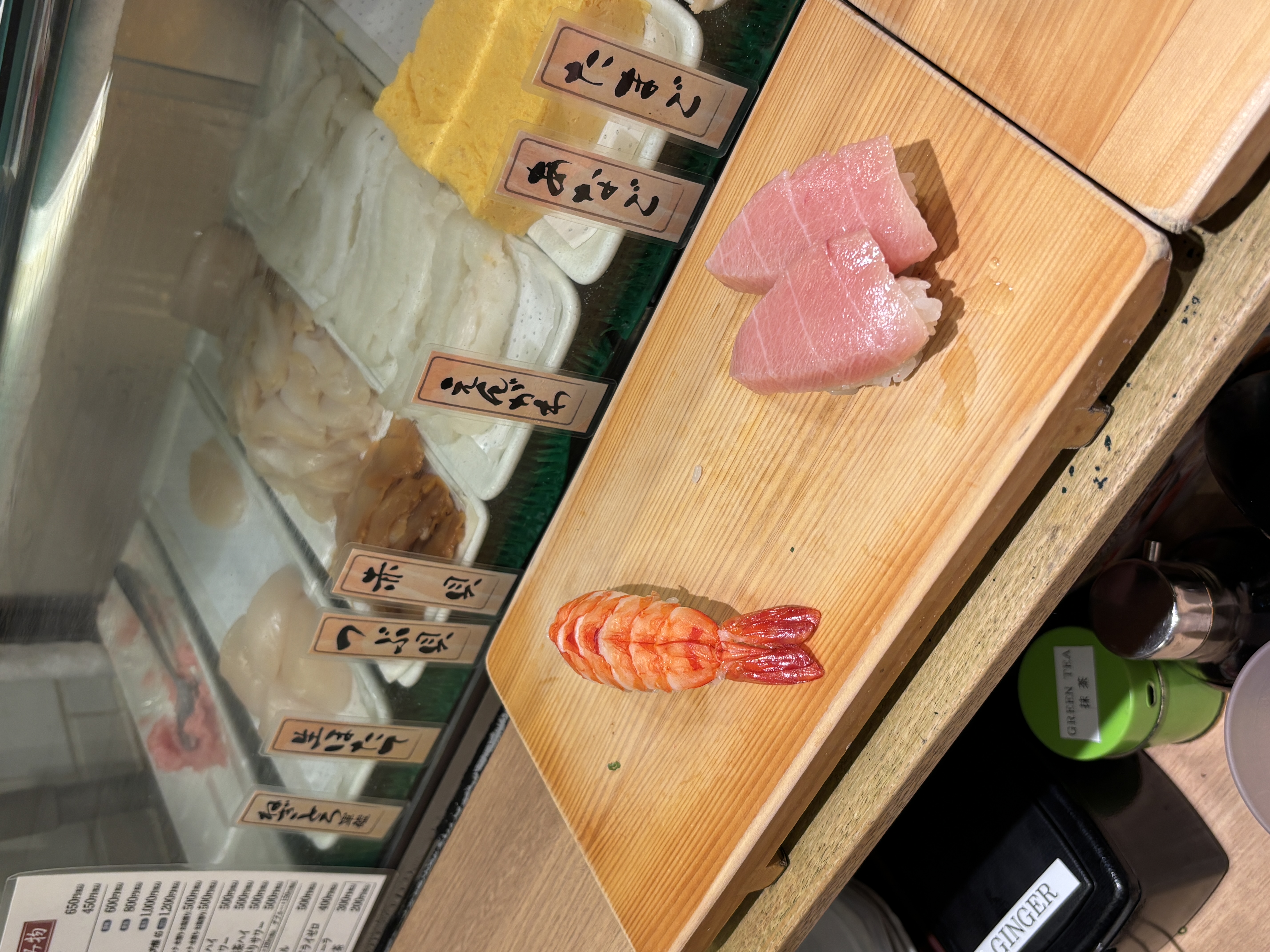
Start early at Tsukiji Outer Market. The inner wholesale auction is no longer public, but the outer market — a dense maze of stalls selling seafood, tamagoyaki (rolled egg omelette), sashimi, pickles and freshly grilled skewers — opens from around 5am and is at its best between 7 and 9am.
This is breakfast: fatty tuna sashimi at a standing counter, a fresh tamagoyaki skewer from Tsukijiya, maybe a grilled scallop or two. Budget around €15–20 and graze between stalls. Read our full Tsukiji Market guide before you go.
Getting there: Tsukiji Station (Tokyo Metro Hibiya Line) or Tsukijishijo Station (Toei Oedo Line).
9:30am — Asakusa and Sensō-ji
From Tsukiji, take the metro to Asakusa (about 15 minutes). Sensō-ji, Tokyo's oldest and most visited temple, is best experienced in the morning before the tourist crowds arrive. The Kaminarimon gate, the Nakamise shopping street leading to the main hall, and the temple grounds themselves are genuinely beautiful — and genuinely crowded by 11am.
Walk Nakamise Street, visit the main hall, then explore the quieter streets behind the temple. The area between Sensō-ji and the Sumida River has some of the best traditional crafts shops and small local restaurants in Tokyo.
Read more in our full Sensō-ji guide and Asakusa neighbourhood guide.
11:30am — Walk to Ueno, or Head West
From Asakusa, you have two good options depending on your interests:
- Ueno Park (15-minute walk): The park contains multiple major museums (Tokyo National Museum is one of the world's great collections), a large lake, street food stalls, and is one of Tokyo's best cherry blossom spots in spring. Worth a 45-minute wander even without going into the museums.
- Head to Harajuku / Omotesandō (metro): If food and design are your priority over history and temples, go straight to Harajuku for lunch and the afternoon.
1:00pm — Lunch in Harajuku or Omotesandō
Omotesandō Boulevard has some of Tokyo's best lunch options — sit-down restaurants at accessible lunch set prices (typically €12–20 for a set that would cost double at dinner). Walk from Omotesandō Station toward Cat Street and look for somewhere that appeals.
Alternatively: the back streets of Harajuku (not Takeshita Street — the parallel quieter streets) have excellent small ramen shops and local lunch spots where you'll pay €8–12 for a very good bowl.
2:30pm — Meiji Shrine
Meiji Shrine is a 10-minute walk from Omotesandō or Harajuku Station. The forested path leading to the shrine (through Yoyogi Park and the shrine forest) is one of the most surreal experiences in Tokyo — you're surrounded by 100,000 trees in the middle of one of the world's largest cities. The shrine itself is Shinto, dedicated to Emperor Meiji, and the grounds are large enough to absorb the crowds.
Spend 45–60 minutes here. It's free to enter and one of the most peaceful places in the city.
4:00pm — Shibuya and the Crossing
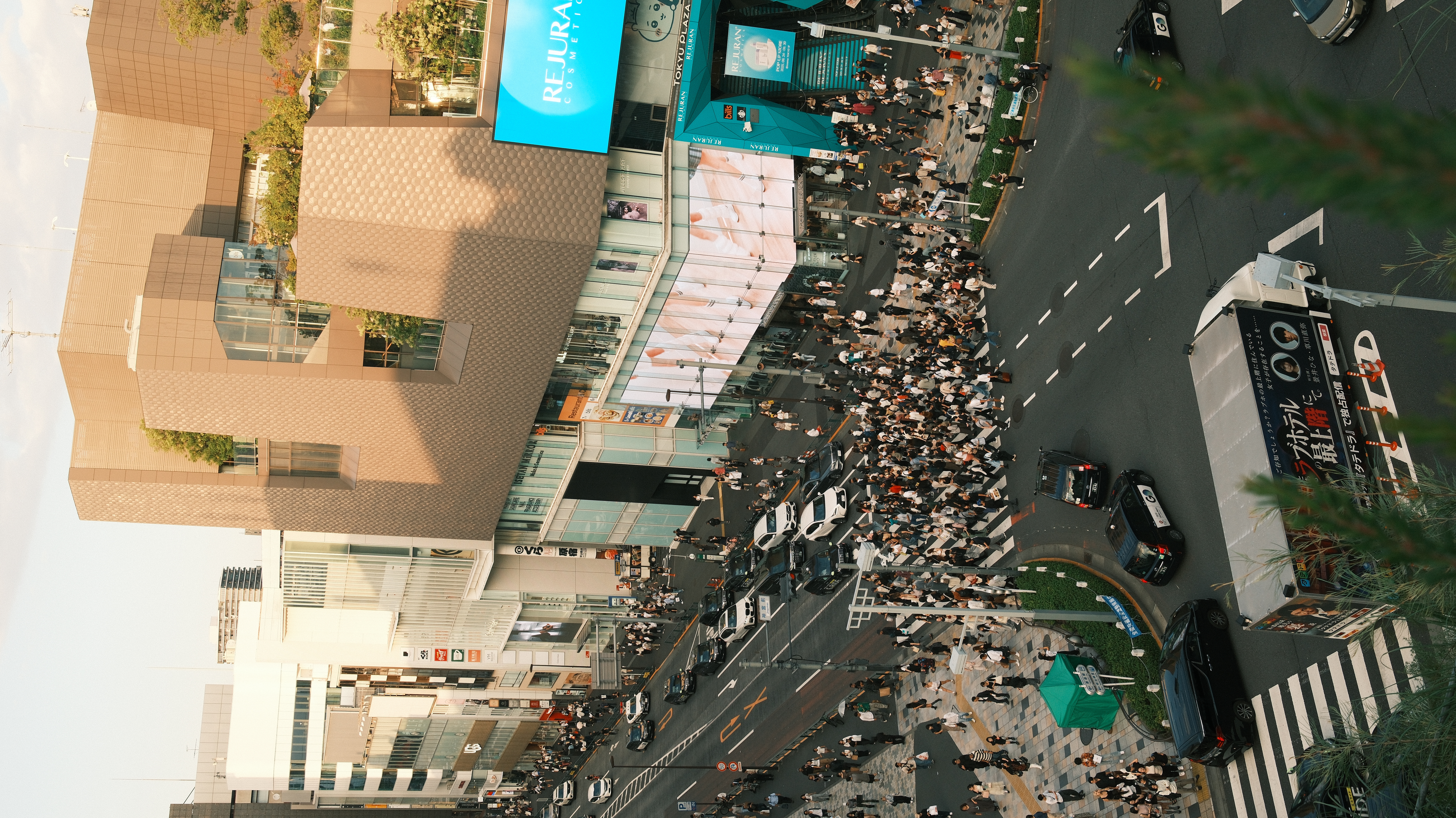
From Harajuku, it's two minutes by Yamanote Line to Shibuya. Go to the Scramble Crossing — the world's busiest intersection, where 3,000 people cross simultaneously on every green light. At peak evening rush (5–6pm) or weekend evenings, the scale of it is genuinely extraordinary.
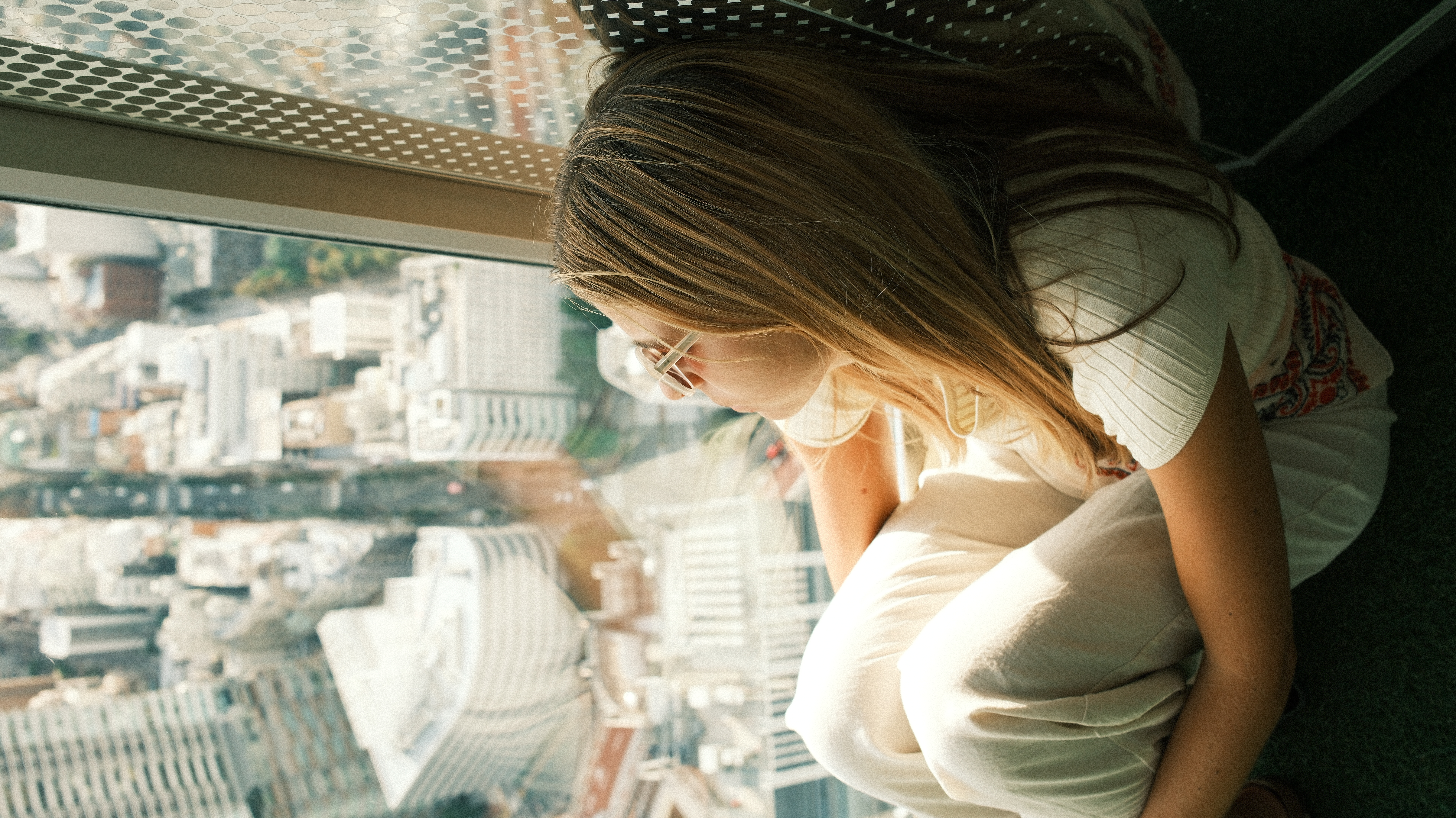
Climb to the Shibuya Sky observation deck or go to the rooftop terrace of Mag's Park above Shibuya 109 for an elevated view of the crossing. Or simply stand at street level and watch a few cycles.
Explore Shibuya for an hour — it's a shopping and food neighbourhood with more depth than the crossing alone suggests. Daikanyama (10-minute walk) and Nakameguro (15 minutes by train or foot) are excellent additions with some of the city's best coffee spots if you want to escape the Shibuya energy.
7:00pm — Dinner in Shinjuku
Take the Yamanote Line to Shinjuku (4 minutes from Shibuya). For a one-day itinerary, dinner in Shinjuku makes the most of the evening — you're already in the right place for what comes after.
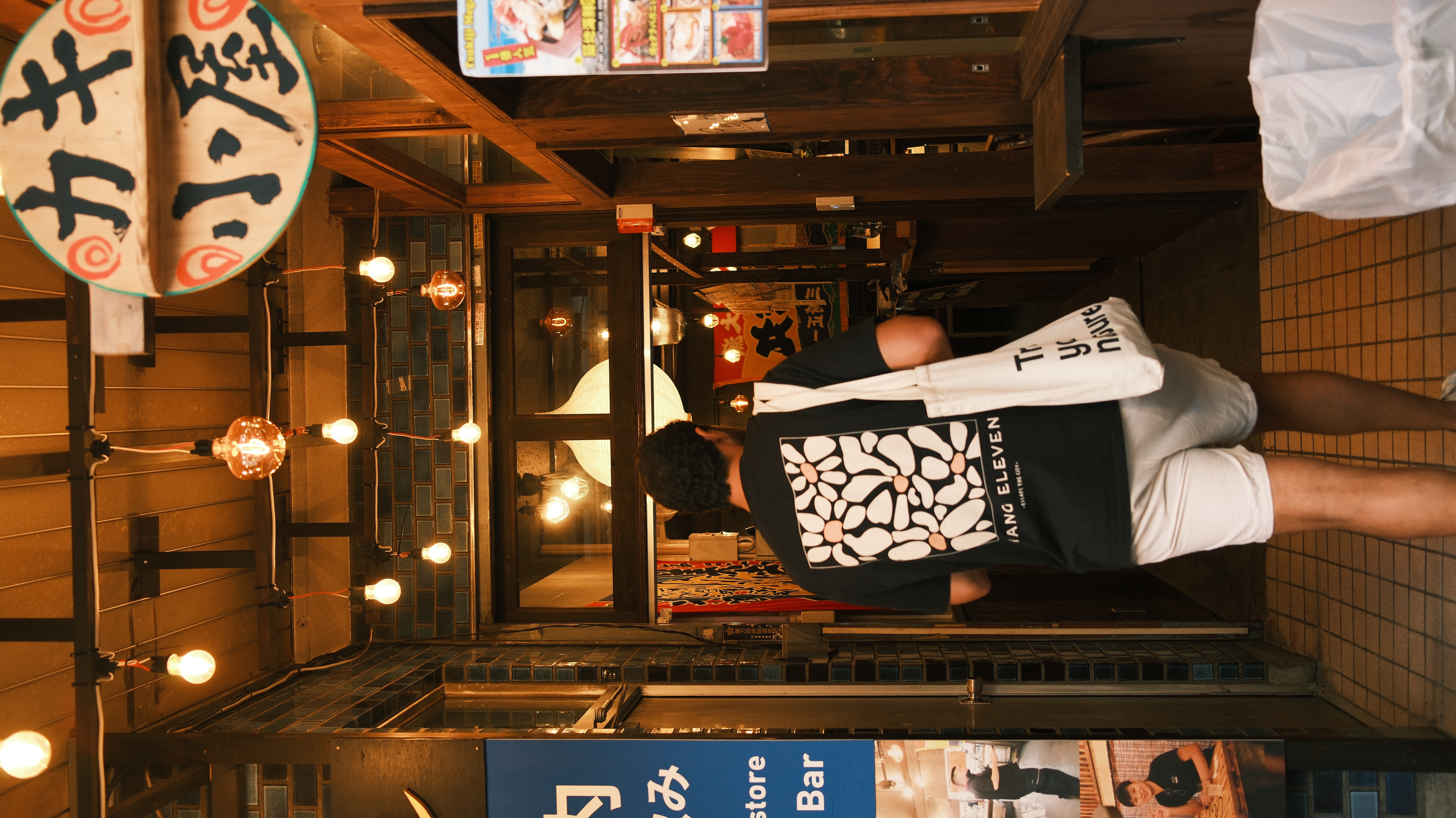
Omoide Yokocho (Memory Lane), just outside Shinjuku's west exit, is a tiny alley of tiny yakitori stalls. Smoke, skewers, cold beer, €10–15 per person for a full meal. It's one of the most atmospheric eating experiences in Tokyo. Alternatively, explore the restaurant floors (usually floors 5–10) of any of the department stores near the east exit — Isetan and Takashimaya Times Square both have excellent options across all budgets.
9:00pm — Golden Gai
End the night in Golden Gai — 200 tiny themed bars across six alleyways in East Shinjuku. Each bar holds 5–8 people. Each has a different theme, different owner, different music. Look for a sign that interests you (many are in English or have English menus outside), pay the small cover charge (usually €3–5), and spend an hour or two in one or two bars.
This is Tokyo at its most unique. Nothing like it exists anywhere else.
Got more time? Plan properly.
FAQ
Is one day in Tokyo enough?
Enough to fall in love with it — not enough to see it. One day gives you a taste. Most people who spend one day in Tokyo immediately start planning how to come back for longer. Our honest recommendation is at least five days — see our full guide on how many days you need.
How do I get around Tokyo in one day?
The Suica card (load it on Apple or Google Wallet, or buy at the airport) works on every metro line and bus. Single journeys cost €1.30–2.50. It's the fastest and cheapest way to move around the city.
What should I eat if I only have one day in Tokyo?
Tsukiji Market for breakfast (tuna sashimi, tamagoyaki). Ramen or udon for lunch (€8–12). Yakitori at Omoide Yokocho for dinner. Those three cover the essential Tokyo food experiences and come to about €40–50 total.
Is Shibuya Crossing worth it?
Yes — once. The scale of 3,000 people crossing simultaneously is genuinely impressive. Stand at street level for a couple of cycles, then move on. You don't need to spend hours there.
More Tokyo Guides
Some links in this post are affiliate links. If you book through them, we earn a small commission at no extra cost to you — it helps us keep writing guides like this one.