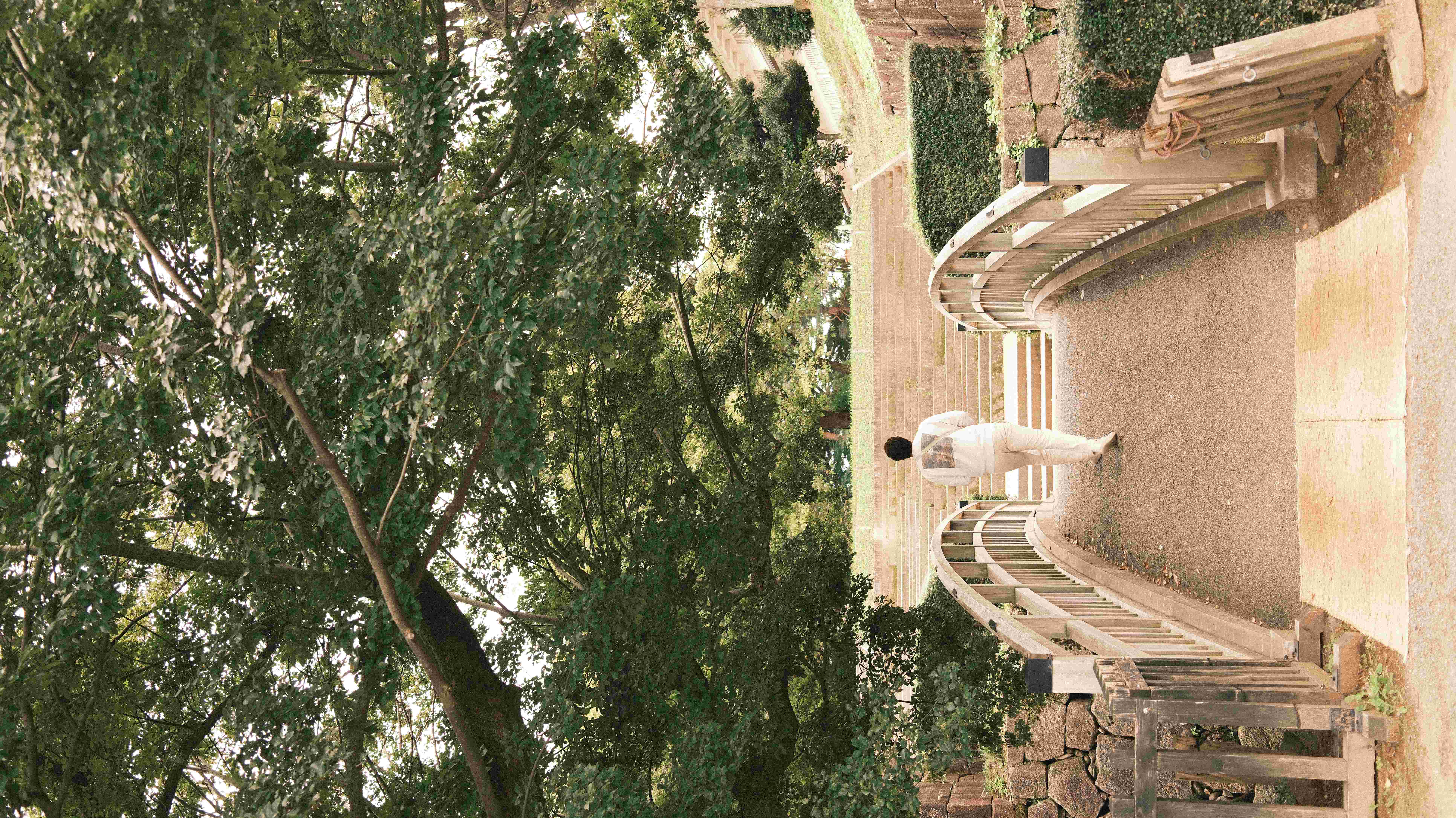
Two days in Kanazawa covers everything worth seeing — both historic districts, the garden, the seafood market, the contemporary art museum, the samurai quarter, and the best meals in the city. This is our exact plan from our visit. We squeezed everything in and left wishing we'd stayed one day longer — but nothing essential was left undone.
Quick tip before you start: Book Kourin Sushi before you arrive in Kanazawa — at least 3–5 days in advance, earlier in peak season. And get the Kanazawa Loop Bus pass (¥600) for unlimited rides between sights.
Day 1: Walking Tour, Geisha District, Omicho Market, Sushi
Morning — Walking Tour (9:00am)
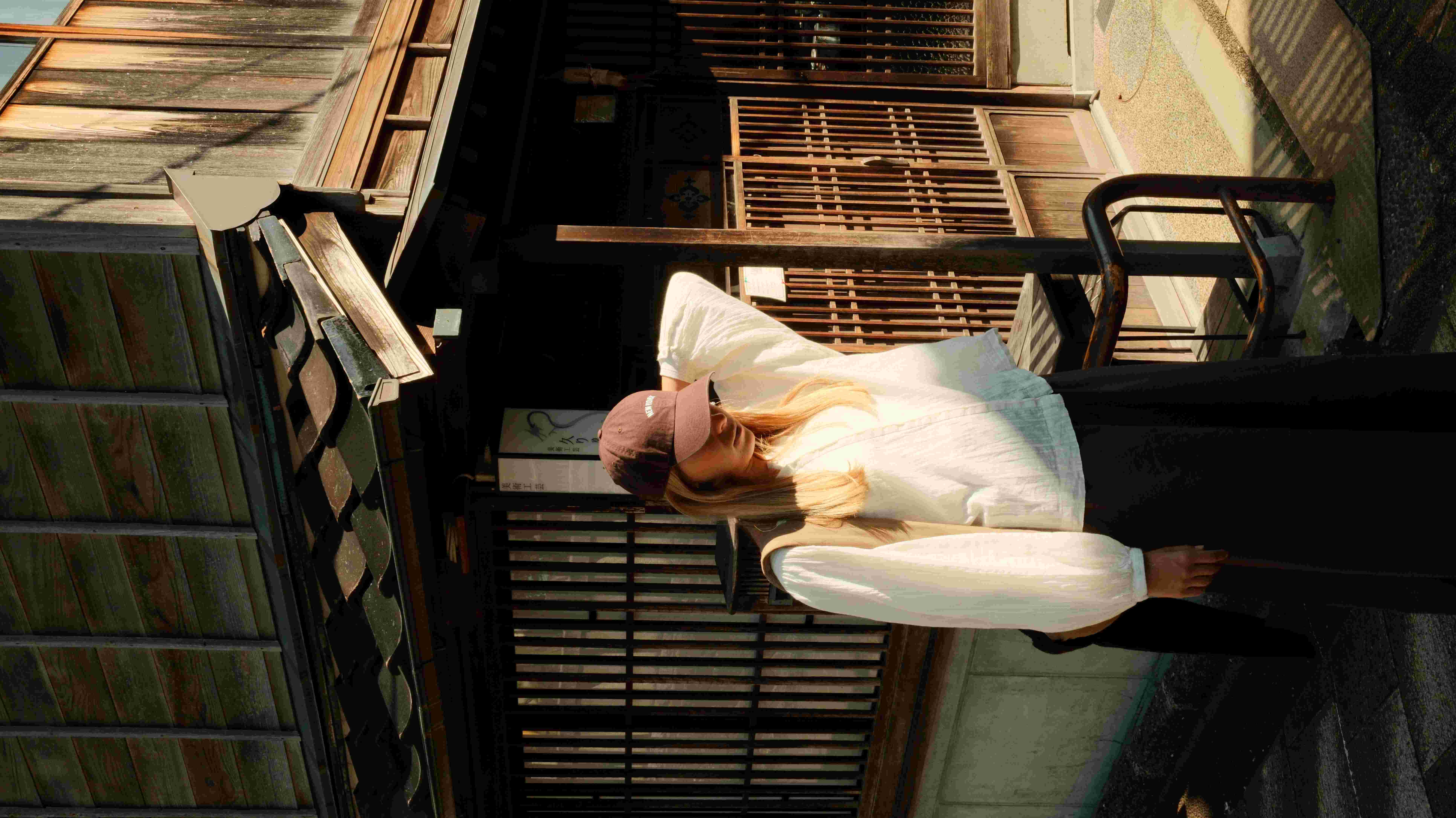
Start with a local walking tour booked through GetYourGuide. This single decision improves everything that follows — the context and stories you get for Higashi Chaya and Nagamachi turn them from pretty old streets into genuinely understood pieces of history. Our guide knew every shopkeeper in Higashi Chaya and had the best anecdotes about Kanazawa's feudal past. Book the morning time slot; the tour typically covers Higashi Chaya, Nagamachi, and the city's history in 2–2.5 hours.
Late Morning — Omicho Market (11:30am)
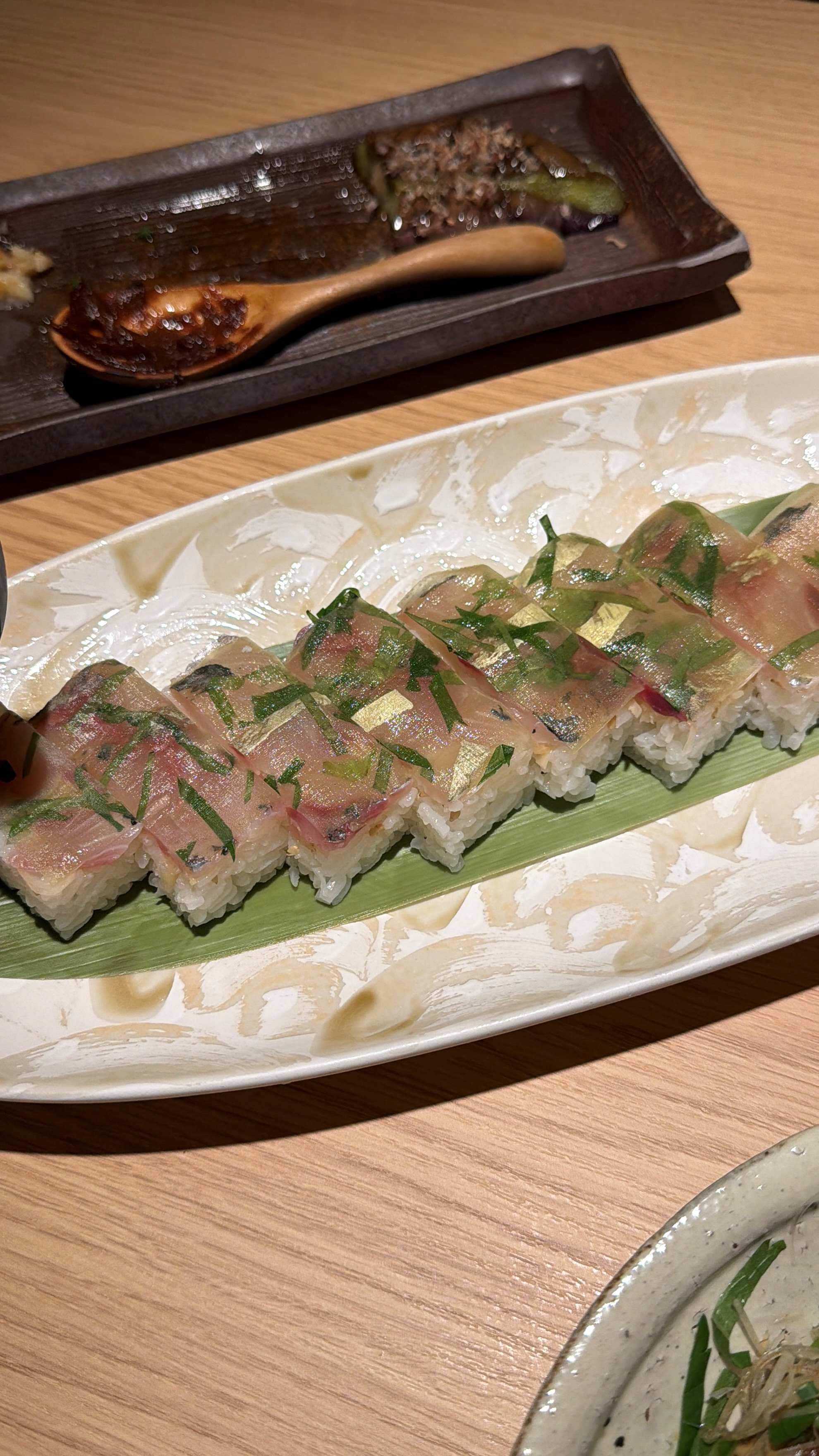
Walk from the walking tour finish point to Omicho Market — a 10-minute stroll through central Kanazawa. By late morning the stalls are in full swing but the worst of the morning rush has passed. Eat at a counter: sashimi to order, sea urchin if it's there, whatever the market has decided is exceptional that day. This is breakfast or early lunch — budget €15–20 per person and eat freely.
Early Afternoon — Higashi Chaya District (1:30pm)
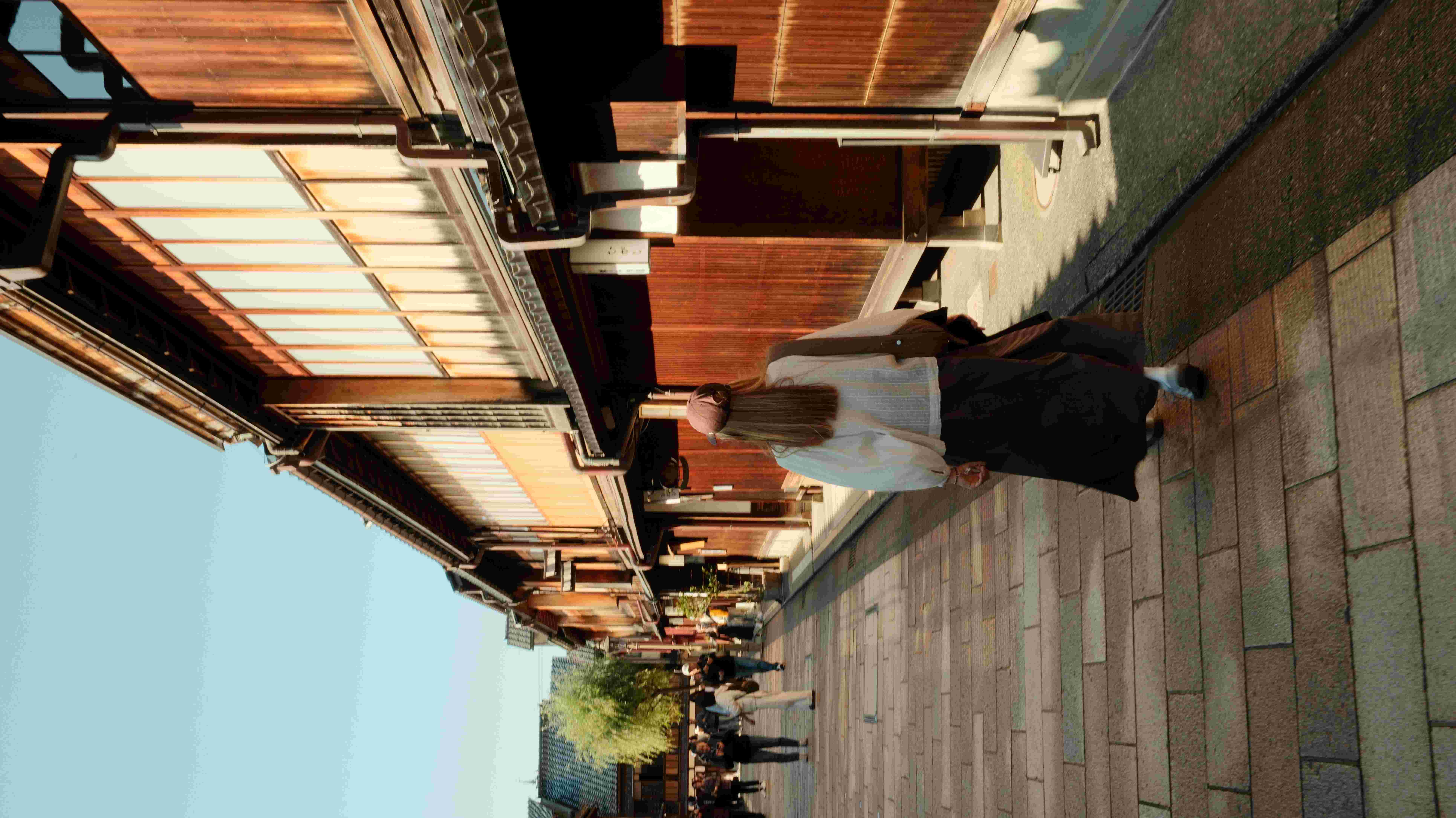
Walk or take the Loop Bus to Higashi Chaya. After the walking tour's context, the district takes on a completely different quality — you're no longer looking at facades, you're reading a story. Duck into Kaikaro teahouse if it's not fully booked (or browse the interior if it is), pick up matcha and wagashi at one of the district's traditional confectionery shops, and walk the side alleys that most visitors skip.
Leave Higashi Chaya by 4pm — return in the late afternoon when the light drops and the lanterns start to glow. This is the best version of the district.
Afternoon — 21st Century Museum of Contemporary Art (2:00pm)
Loop Bus to the 21st Century Museum — 10 minutes from Higashi Chaya. This is one of the best contemporary art museums in Japan: SANAA's circular building, Leandro Erlich's Swimming Pool installation (visitors below appear underwater, visitors above walk on the pool surface), and strong rotating exhibitions. Budget 1–1.5 hours. The outer ring of the museum (several permanent outdoor installations) is free; the permanent collection is ¥1,200.
Late Afternoon — Return to Higashi Chaya at Dusk (5:30pm)
Return to Higashi Chaya as the light fades. This is the moment the district is at its best — the stone-paved alleys quiet down, the wooden facades take the orange light of dusk, the lanterns come on one by one. Spend 30–45 minutes walking slowly. No agenda beyond being present in one of Japan's most beautiful streets at its most atmospheric hour.
Evening — Kourin Sushi (7:00pm)
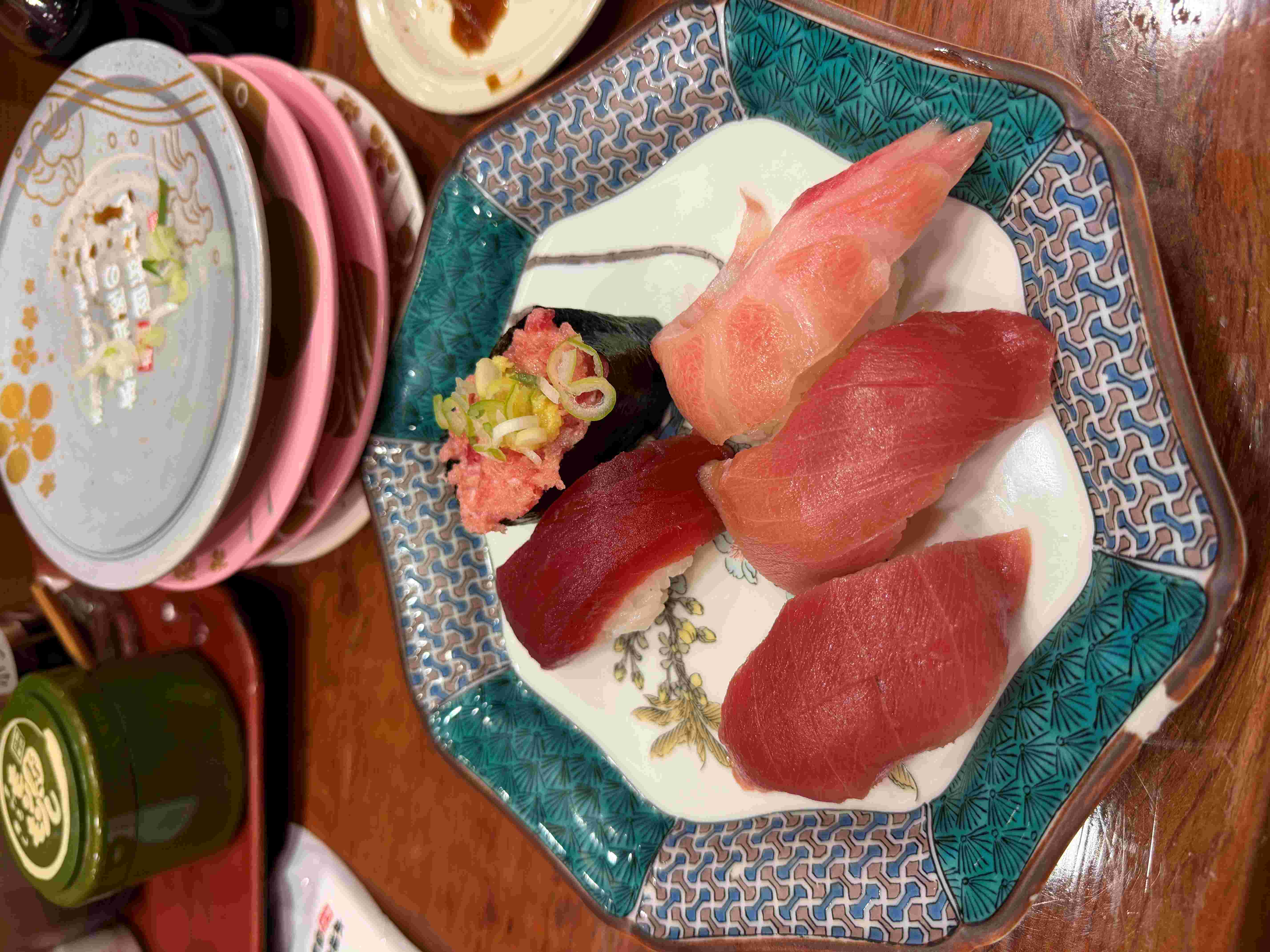
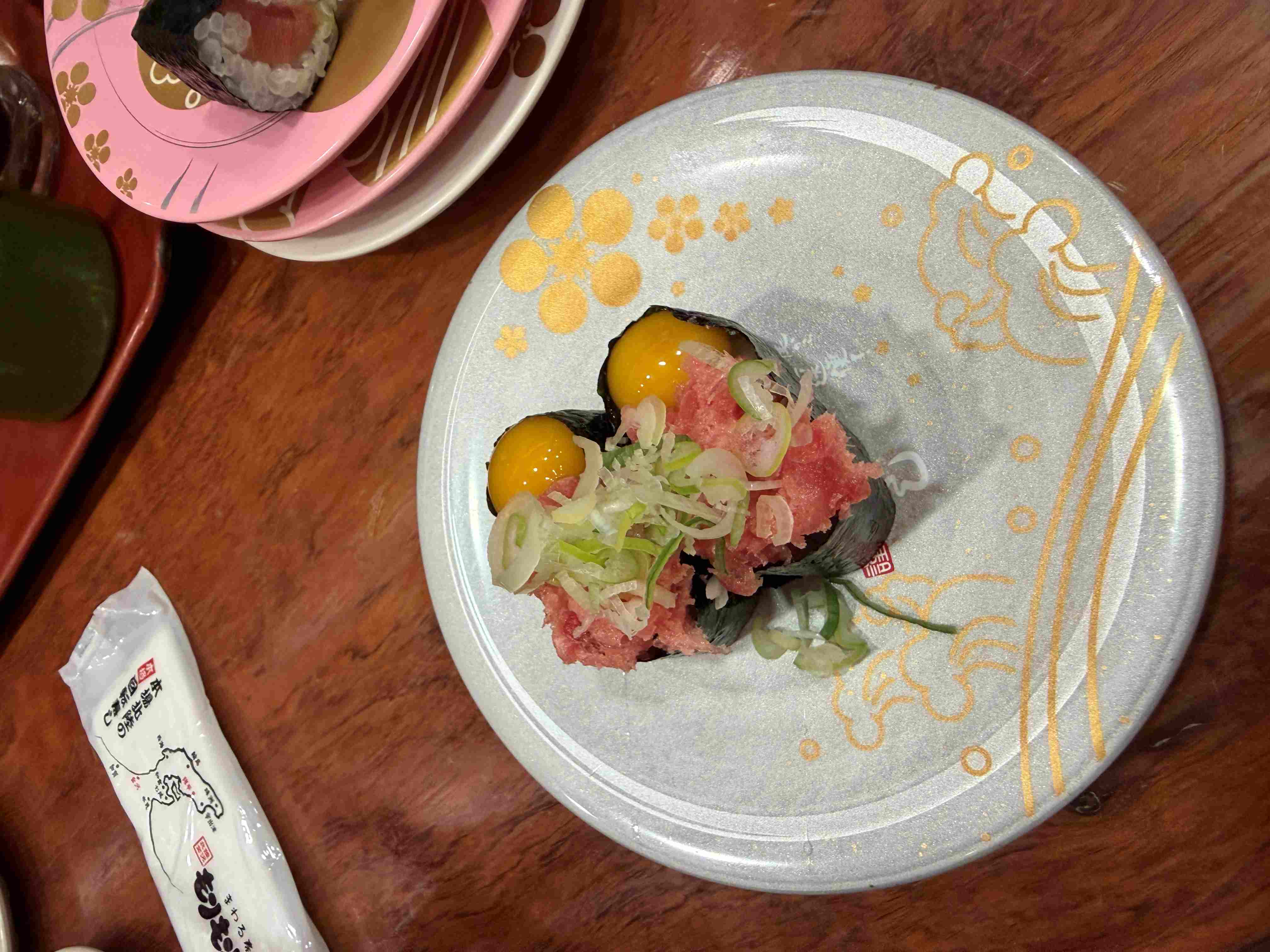
Reserved ahead: Kourin Sushi for dinner. Melt-in-your-mouth nigiri at a traditional counter, fish from the Sea of Japan, quiet precision from the chef. The most special dinner of the Kanazawa stay. Budget ¥8,000–12,000 per person for omakase.
Day 2: Kenroku-en, Nagamachi, D.T. Suzuki Museum, Izakaya
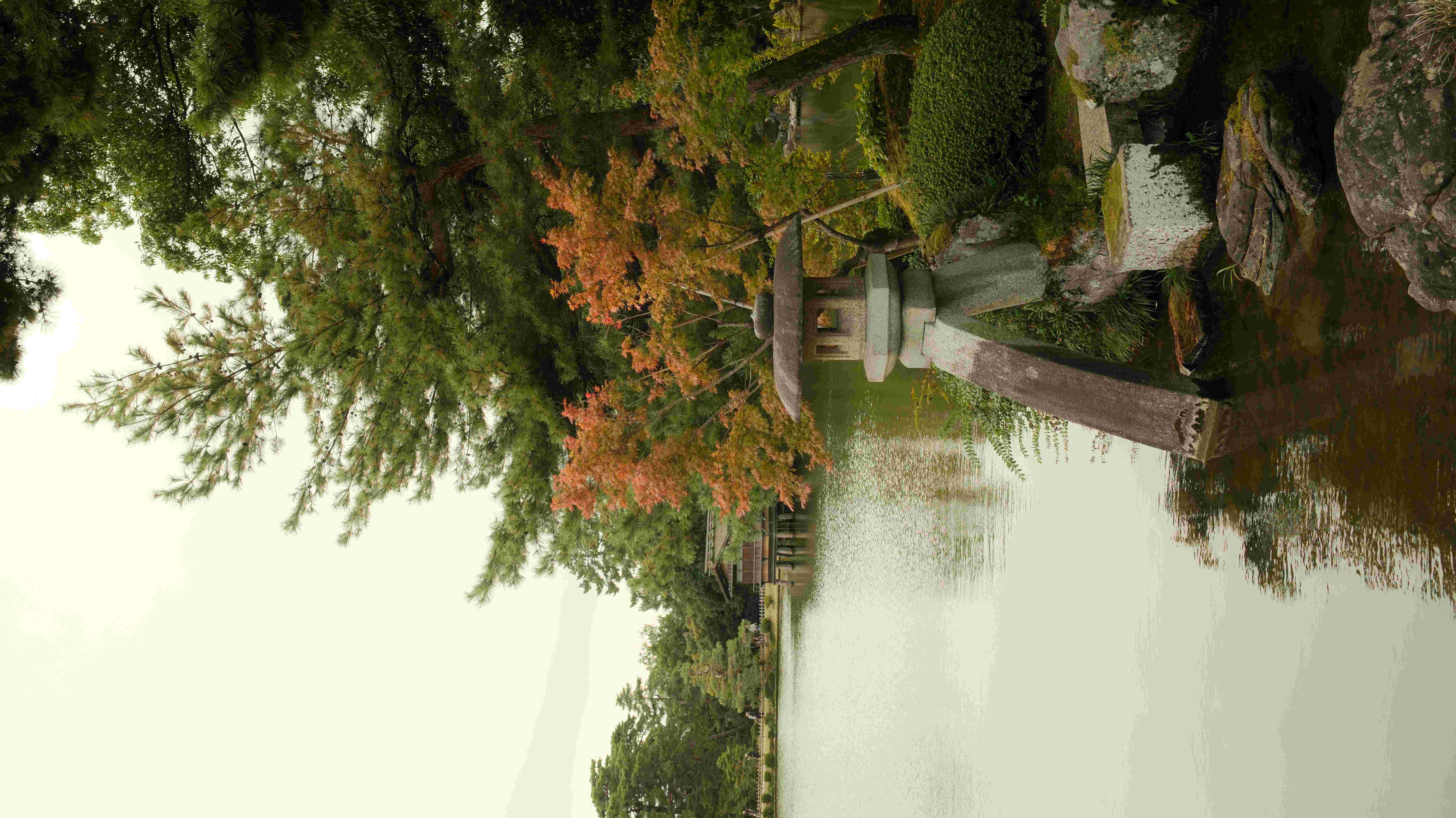
Early Morning — Kenroku-en Garden at Opening (7:00am)
Kenroku-en opens at 7am in peak season (8am otherwise). Get there as close to opening as possible — the morning mist over the pond, the silence before the tour groups arrive, the dew on the shaped pine trees. This is the best hour of Kenroku-en and the difference between the early morning visit and the midday crowds is enormous. Budget 1.5–2 hours inside the garden.
See our full Kenroku-en review for what to focus on inside and how the garden changes by season.
Late Morning — Nagamachi Samurai District (9:30am)
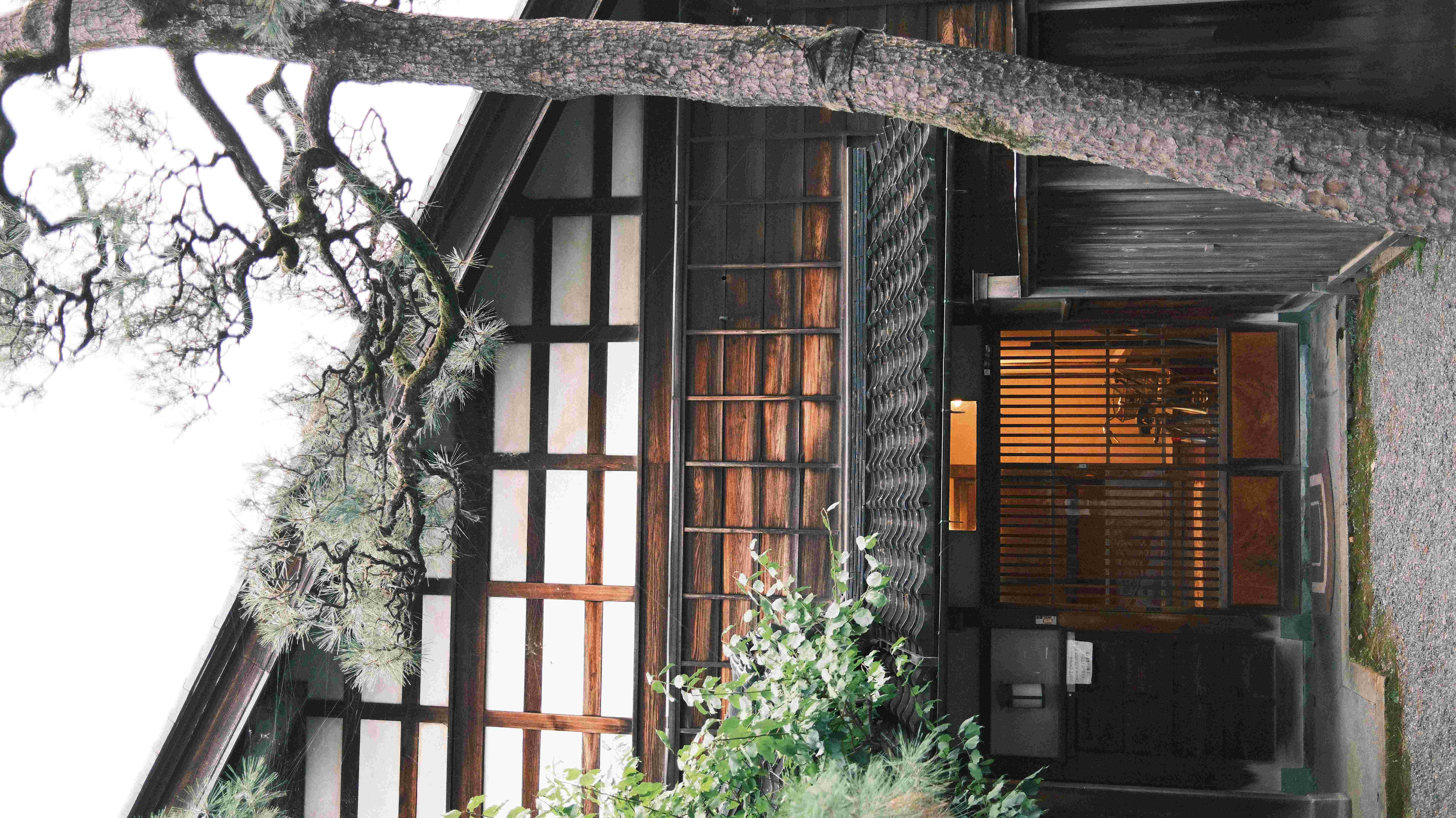
Walk from Kenroku-en to Nagamachi — about 20 minutes on foot, or a short bus ride. The former samurai residential quarter: high earthen walls (dobei), wooden gates, narrow atmospheric alleys. Visit the Nomura Samurai House (¥550) to see the interior of a preserved samurai residence — tatami rooms, a rock garden, traditional craftsmanship. Budget 1 hour.
Mid-Morning — D.T. Suzuki Museum (11:00am)
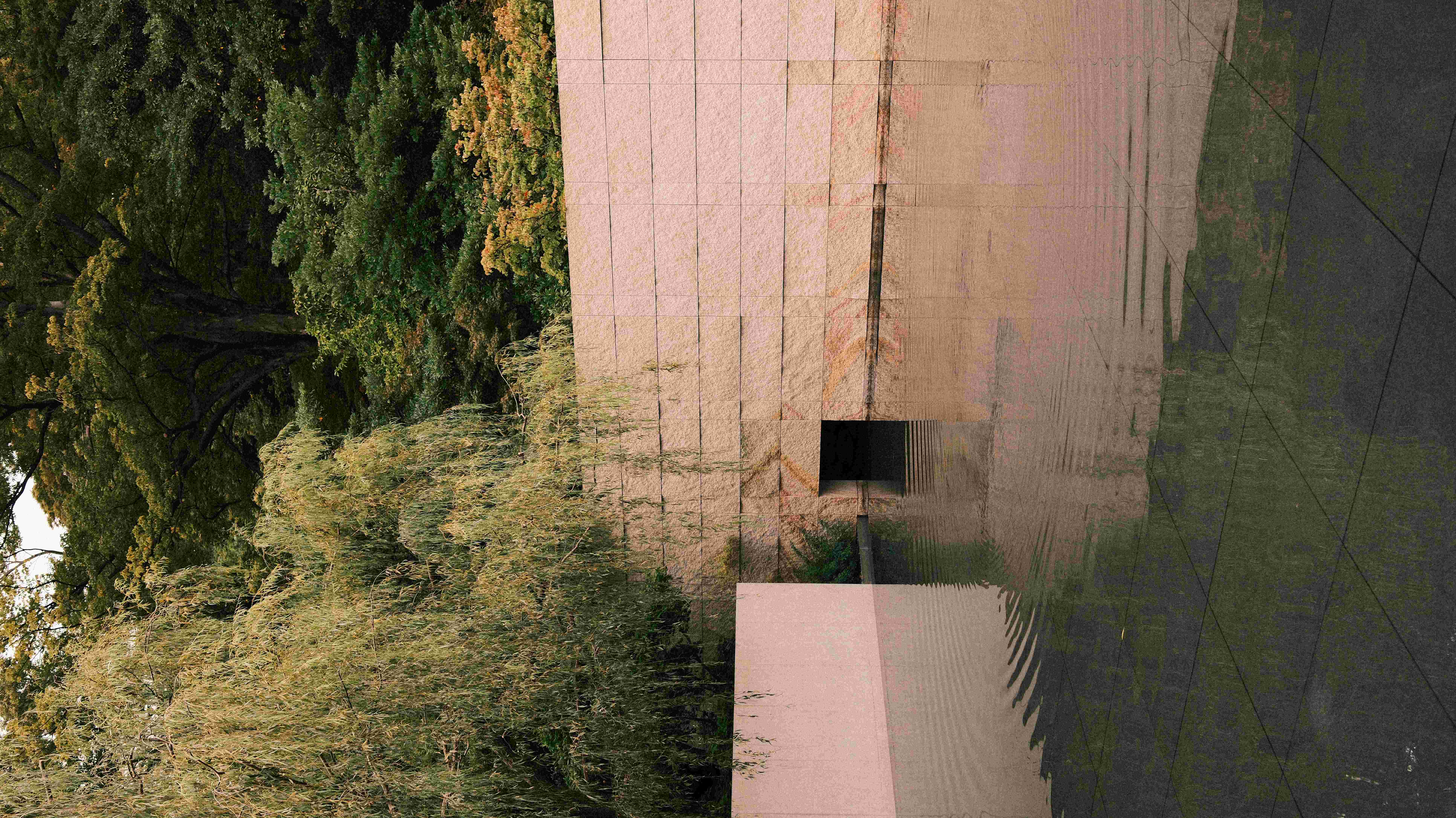
A 15-minute walk from Nagamachi — a minimalist masterpiece by Yoshio Taniguchi, built around a water court and reflection pool. Dedicated to the Kanazawa philosopher who introduced Zen Buddhism to the West. The architecture embodies the philosophy: all water, light, and quiet. Budget 45 minutes to an hour. Entry ¥310.
Lunch — Ramen Taiga (12:30pm)
Walk or bus to Ramen Taiga for lunch. Arrive close to opening to avoid a long queue — by 12:30 on a weekday the line is manageable. Rich Kanazawa-style broth, perfectly chewy noodles, fast turnover. A proper mid-trip lunch.
Afternoon — Omicho Market for Second Visit / Shopping (2:00pm)
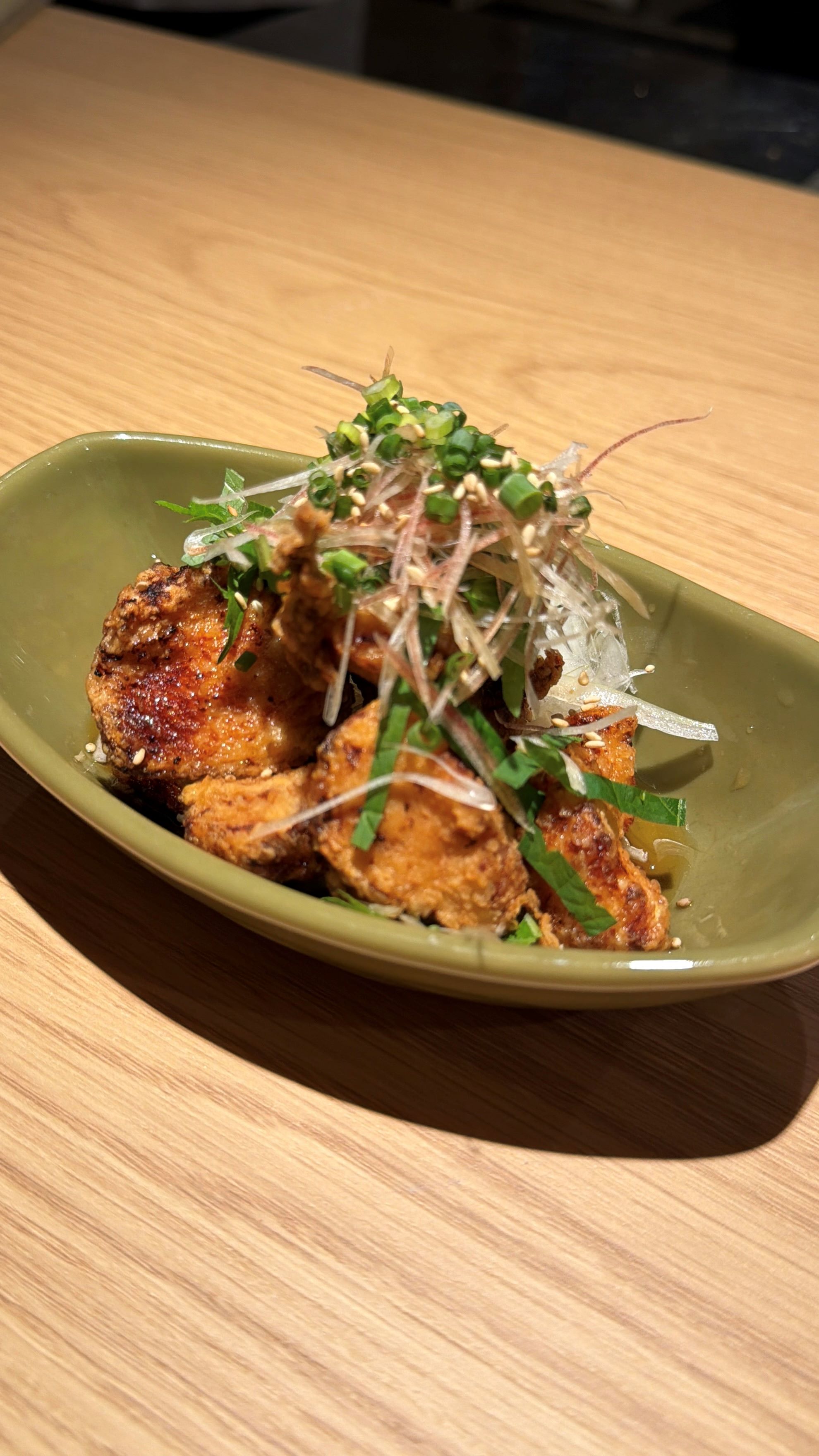
Return to Omicho Market for a second pass — this time for browsing and picking up provisions rather than eating. The market has excellent preserved foods (pickled vegetables, dried seafood, artisan soy sauces) that travel well as gifts. Leave by 3:30pm — most stalls begin closing from 4pm.
Late Afternoon — Nishi Chaya or Kenroku-en Revisit (4:00pm)
If you have energy: Nishi Chaya District is the smaller, quieter geisha district on the opposite side of the city — a fraction of the visitors of Higashi Chaya, a similar atmosphere. Worth 30 minutes if you want a contrast.
If you'd rather slow down: Return to Kenroku-en for the late afternoon light through the garden — the quality of light on the pond at 4–5pm is completely different from the morning. Entry again at ¥320.
Evening — Fuwari Izakaya (7:00pm)
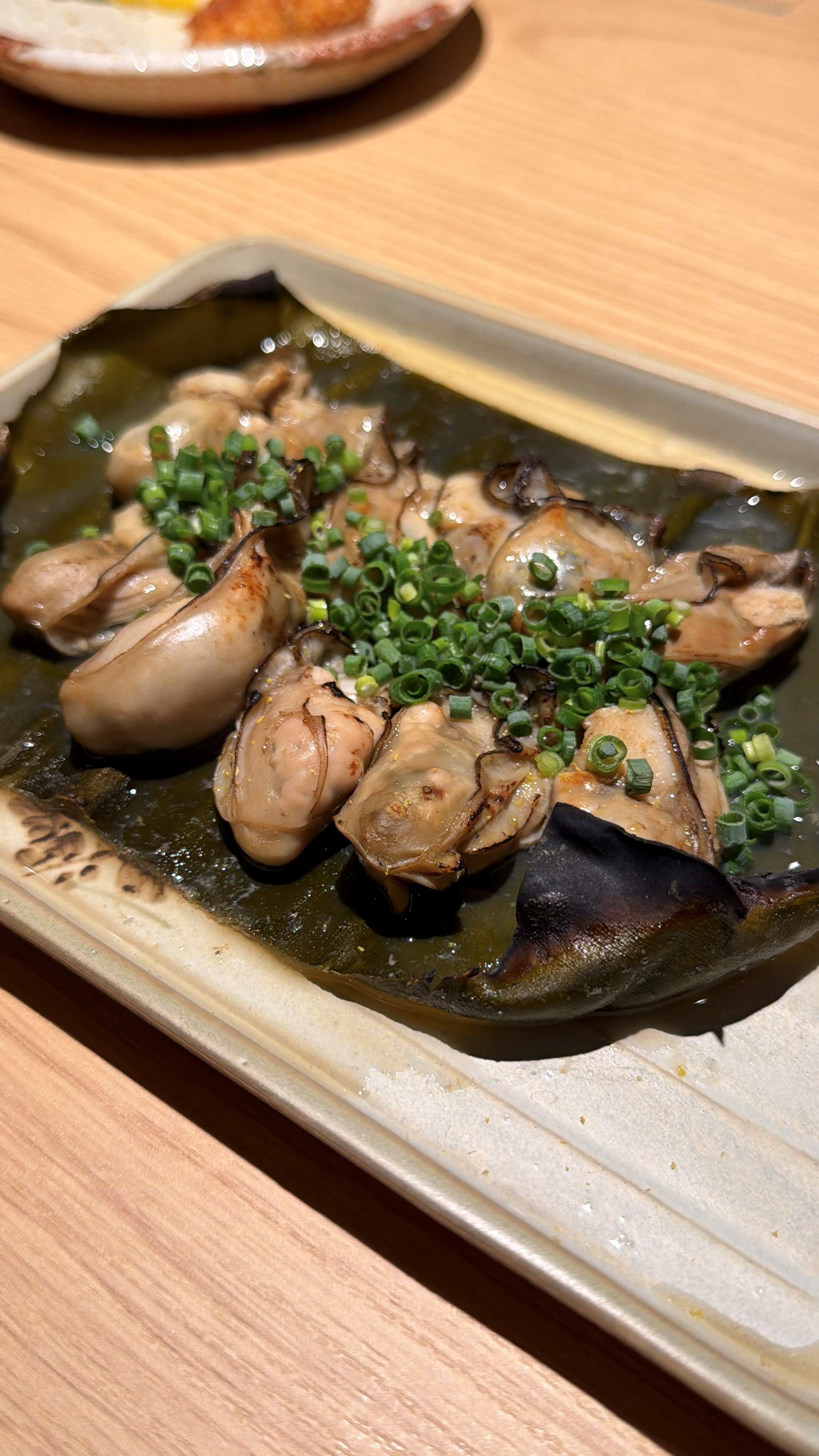
Dinner at Fuwari Izakaya — a cozy local izakaya with exceptional small plates and the relaxed rhythm of a genuine neighbourhood restaurant. Order widely, eat slowly, stay for drinks. The perfect end to a Kanazawa visit: local food, local atmosphere, no performance for tourists.
Practical Notes
Transport: Get the Kanazawa Loop Bus Pass (¥600, available at the station or on the bus) for unlimited rides between sights. The city is also walkable if you don't mind 20–30 minute walks between districts.
Book before you arrive: Kourin Sushi is the only hard reservation in this itinerary. Everything else is walk-in or first-come — but arriving slightly early (7am for Kenroku-en, before 7pm for Fuwari) gets you in without waiting.
What day works best: Omicho Market is closed on Wednesdays and reduced on Sundays. The 21st Century Museum is closed on Mondays. Plan around these if they're fixed on your trip.
More Kanazawa Guides
- Is Kenroku-en Garden Worth Visiting?
- The Best Food in Kanazawa: Our Favourite Restaurants
- The Best Things to Do in Kanazawa + What to Skip
- Is Kanazawa Worth Visiting? Our Honest Review
- How Many Days in Kanazawa Do You Need?
- The Best Time to Visit Kanazawa
- Where to Stay in Kanazawa
- The Best Cafes in Kanazawa
- Is Kyoto Worth Visiting? (Thunderbird Train from Kanazawa)
- Is Osaka Worth Visiting? (Thunderbird Train from Kanazawa)
- All Japan Guides
FAQ
Is 2 days enough for Kanazawa?
Yes — two days covers all the essential sights. You'll leave wishing you had one more day, but nothing important is left out. Three days is the relaxed option and adds a day trip to Shirakawa-go or Takayama.
What's the first thing to do in Kanazawa?
Book a local walking tour (GetYourGuide) and reserve Kourin Sushi — both before you arrive. The walking tour sets context for everything else; the sushi reservation fills up fast.
Should I do Kenroku-en in the morning or afternoon?
Morning — specifically at opening time (7am peak / 8am off-peak). The mist, the quiet, and the pre-crowd serenity are the garden at its best. The afternoon version is still beautiful but significantly more populated.
Some links in this post are affiliate links. If you book through them, we earn a small commission at no extra cost to you.