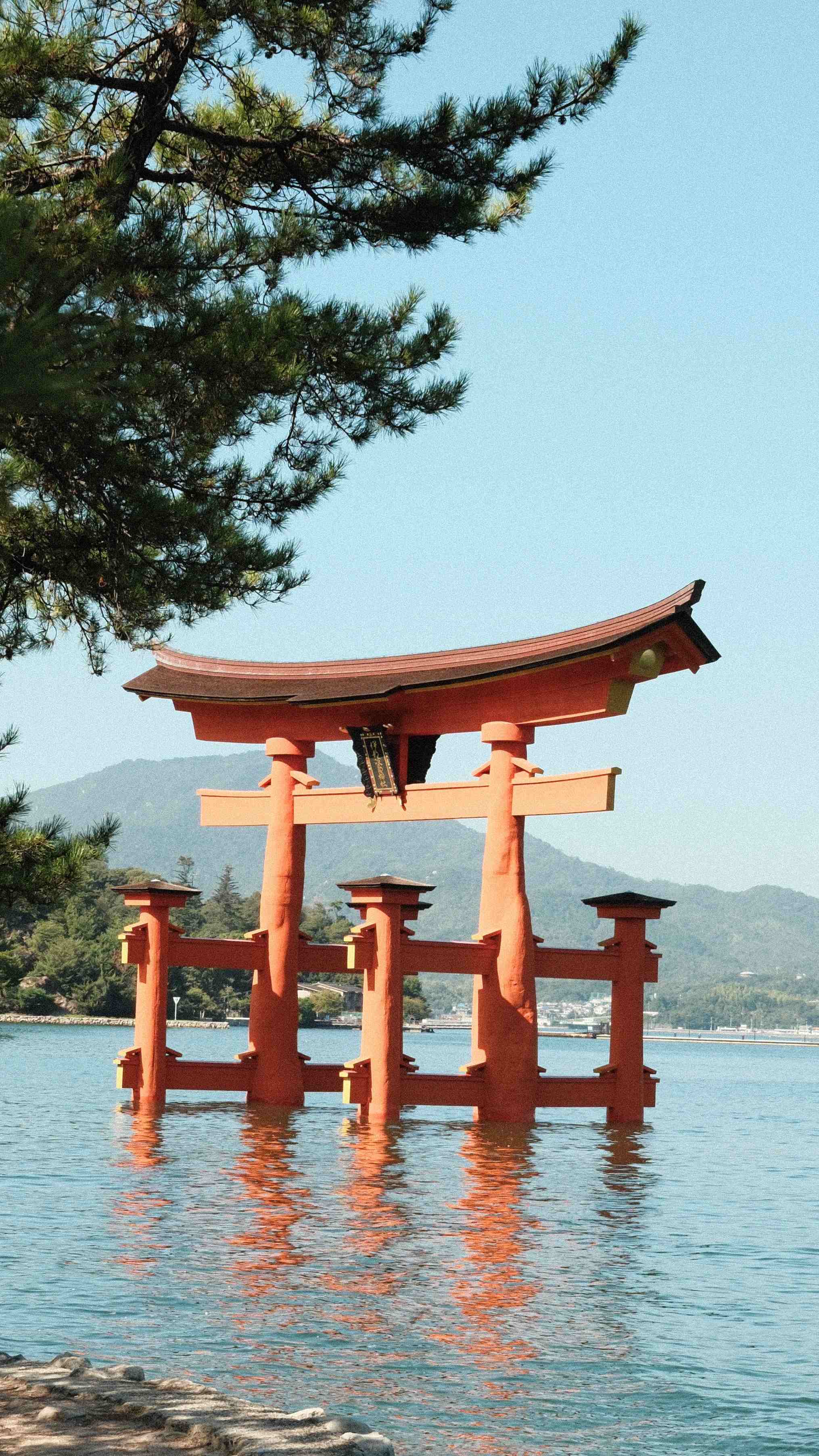
Hiroshima rewards two days. The first covers the Peace Memorial Park, the Atomic Bomb Dome, Hiroshima Castle, and an okonomiyaki evening. The second is entirely for Miyajima Island — one of Japan's most beautiful day trips. Here's everything worth doing in the city and nearby, in order of priority.
Peace Memorial Park & Museum ★★★★★
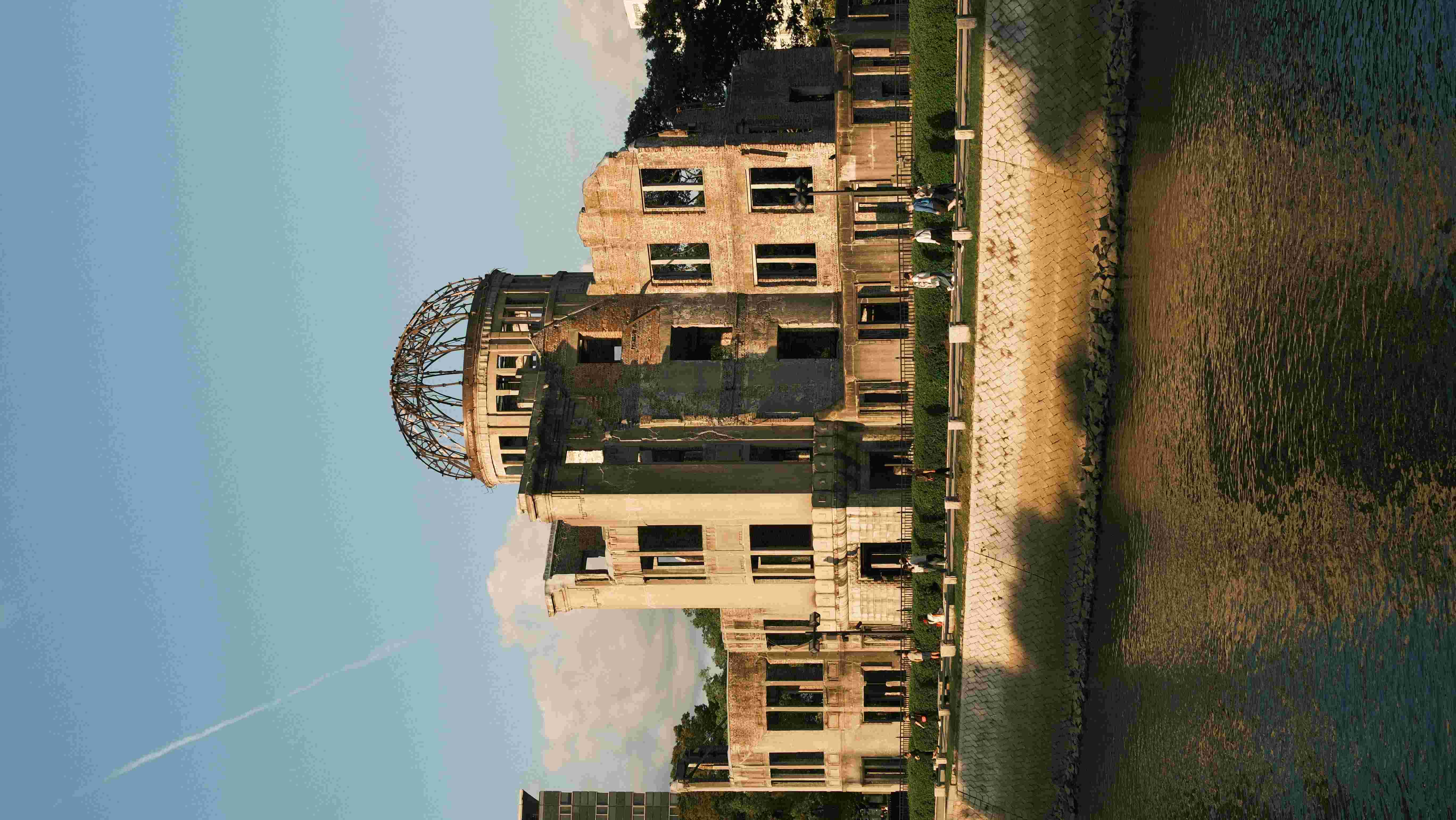
The non-negotiable. The Atomic Bomb Dome — the preserved ruins of the only structure left partially standing near the hypocenter in 1945 — stands at the park's edge exactly as it was left. The Peace Museum tells the full story with survivor testimonies and personal effects that are raw and essential. Walk the park first, then visit the museum.
Do this first, on your first day. Book a walking tour (GetYourGuide, ask for Thomas) before your visit — the context a guide provides is transformative. Go early morning (by 8:30am) before the crowds and school groups arrive.
See our full Peace Memorial Park and Museum review for everything you need to know.
Verdict: The most important thing you will do in Hiroshima. Don't rush it.
Miyajima Island ★★★★★
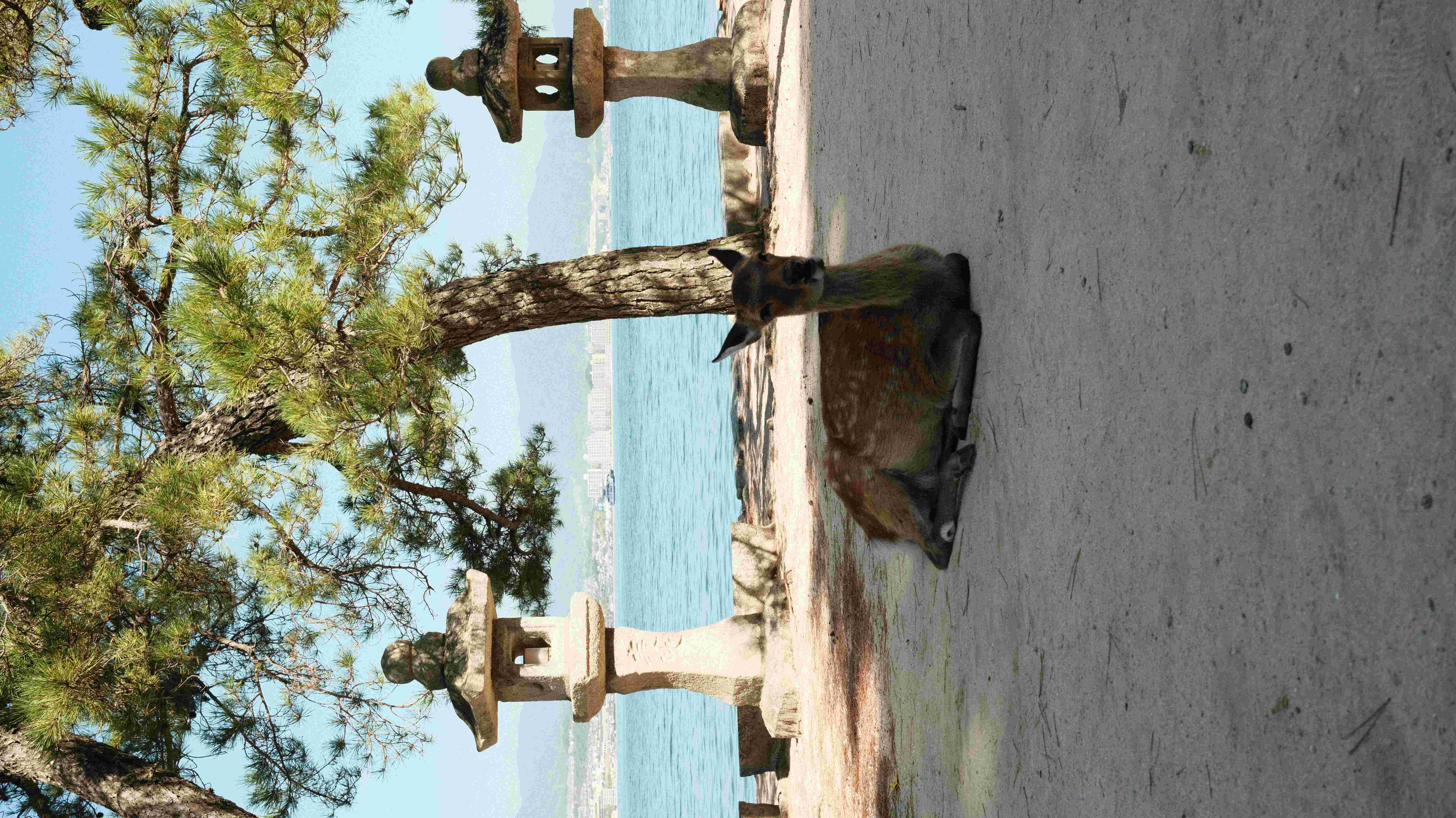
A full day's commitment that Miyajima completely earns. The floating torii gate, Itsukushima Shrine, Daishoin Temple's stone Jizo statues, the ropeway to Mount Misen's views over the Seto Inland Sea, and some of the best eating in the region — charcoal-grilled oysters, anago-meshi, freshly baked momiji manju. Go early, stay late, arrive back in Hiroshima for dinner.
See our full Miyajima day trip guide for ferry logistics, tide timing, and what to eat.
Verdict: One of Japan's best day trips. Give it the full day.
Hiroshima Castle (Carp Castle) ★★★★☆
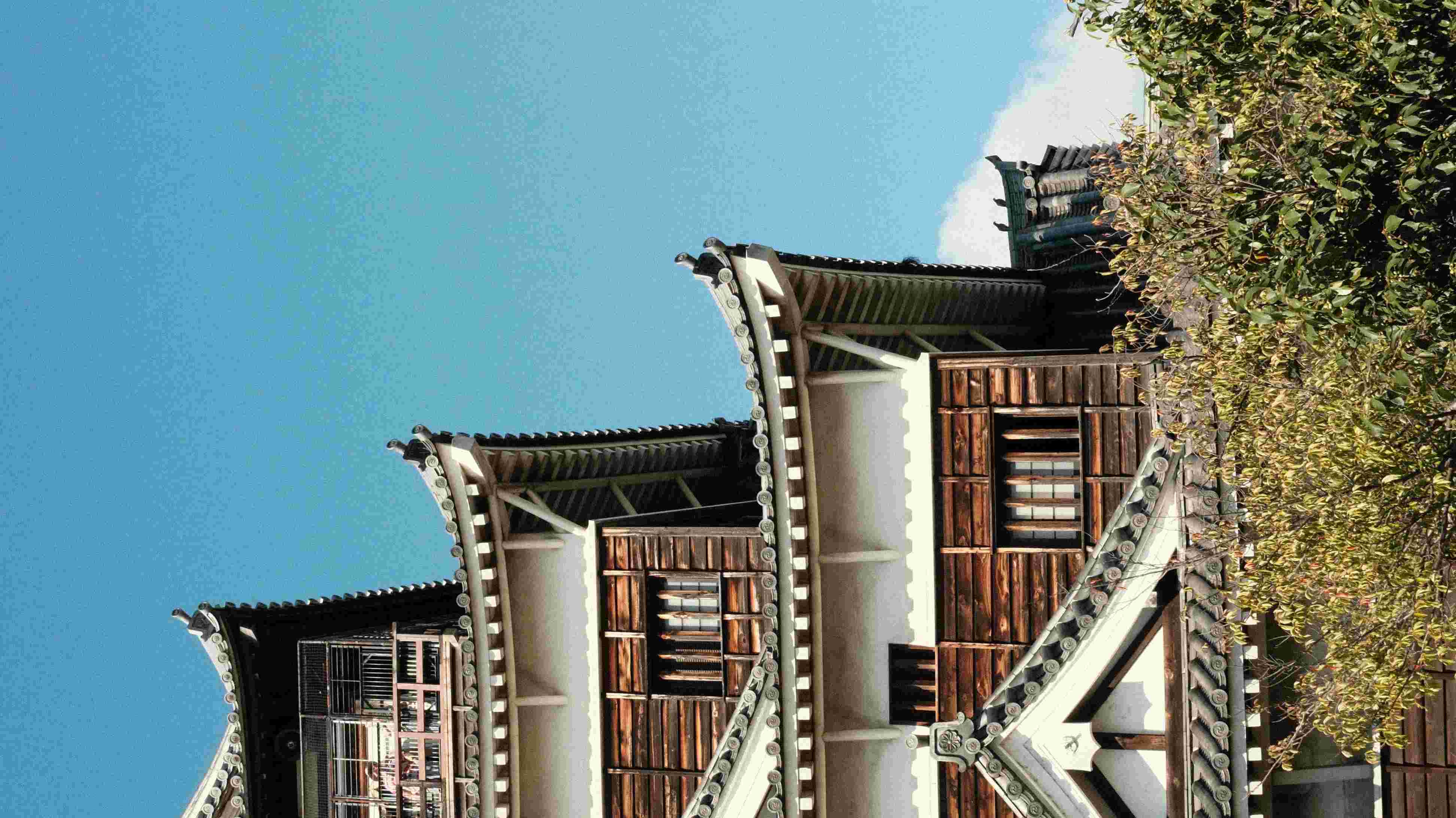
Also known as Carp Castle — the reconstructed castle that anchors the northern part of the city. The original was destroyed in the atomic bombing; the current structure is a 1958 reconstruction, concrete inside but faithful to the original exterior. The moat and surrounding grounds are excellent: a wide green park with cherry trees (spectacular in spring), a peaceful walk along the water, and a view of the white tower reflected in the moat.
The interior museum covers Hiroshima's pre-war history and samurai period — worth visiting if Japanese castle culture interests you. The view from the top floor is good, though not as spectacular as some other castle towers.
Entry: ¥370 adults for the castle interior; the grounds are free.
Verdict: Worth a 1–2 hour visit as part of the first city day. Grounds are free and pleasant even without entering.
Okonomimura ★★★★★
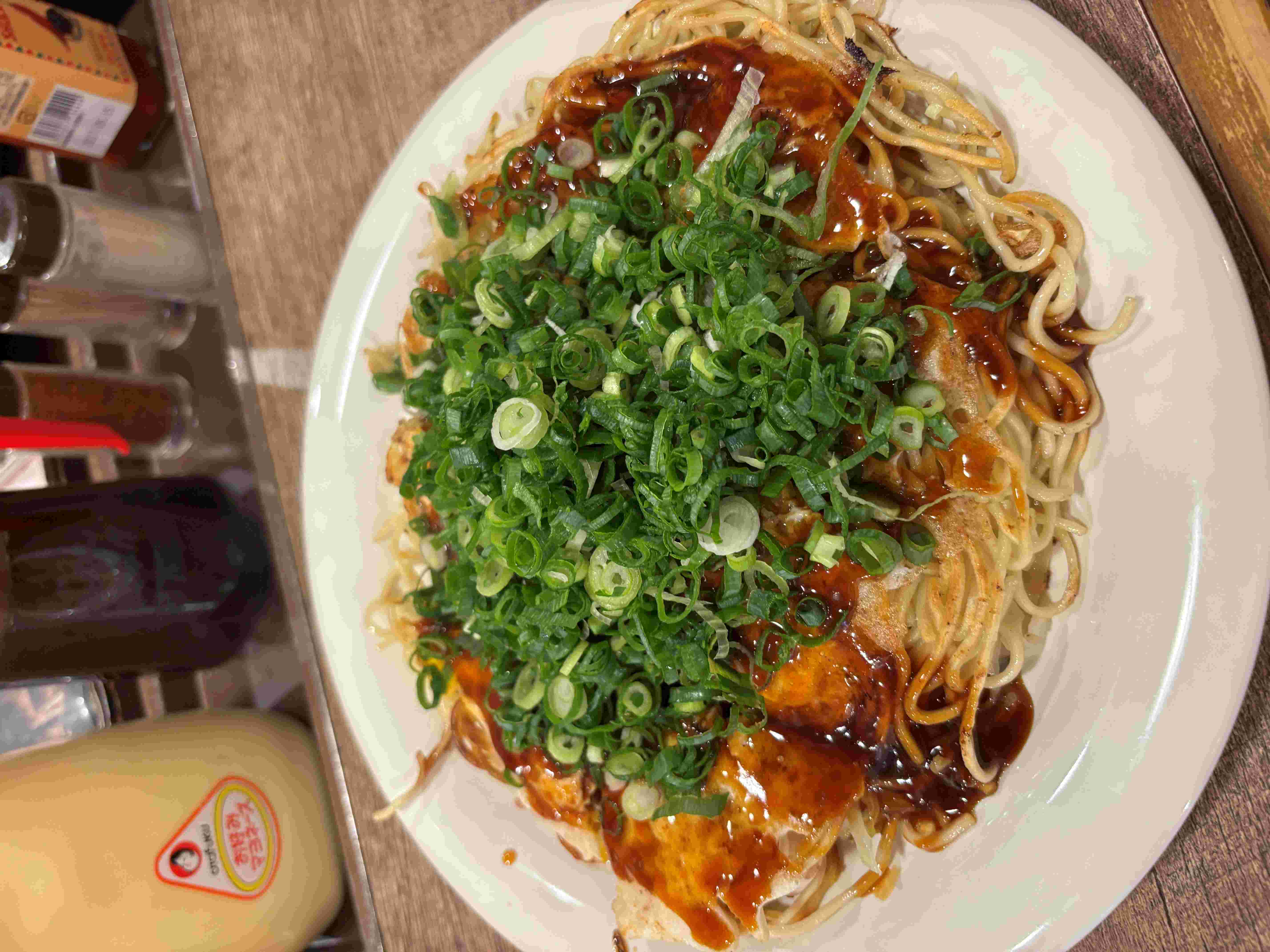
A food building dedicated entirely to Hiroshima-style okonomiyaki — 25+ restaurants across three floors, each with open teppan grills where you sit at the counter and watch the chef cook your meal. The Hiroshima okonomiyaki style is layered rather than mixed: first a thin crepe of batter, then cabbage, then noodles, then pork belly or seafood, then another layer of batter, flipped, topped with sweet-savoury sauce, and finished with bonito flakes. Watching the whole process is genuinely hypnotic.
Pick any restaurant that has a free counter seat. The quality is consistently good across the building. This is the right dinner for the first evening in Hiroshima.
Verdict: Don't leave Hiroshima without eating here.
Hiroshima City Trams ★★★★☆
Hiroshima has one of Japan's few surviving city tram networks — vintage-style streetcars running along wide boulevards through the heart of the city. Beyond being useful transport (trams connect the station with the Peace Park and Miyajima ferry easily), they're a genuine pleasure to ride. The number 2 and 6 lines cover the main sights. Buy a day pass (¥700) for unlimited rides.
What to Skip
Shukkeien Garden — a traditional garden close to the city centre. Fine, but not exceptional by the standard of Kenroku-en in Kanazawa or Kokedera in Kyoto. Skip if time is limited; visit only if you have a third day and want a quiet morning walk.
Hiroshima Mazda Museum — interesting if cars are your thing; the production line tour is genuinely impressive. Not relevant for most visitors.
More Hiroshima Guides
- Hiroshima Peace Memorial Park & Museum: Our Full Review
- Miyajima Island Day Trip from Hiroshima
- The Best Food in Hiroshima: Okonomiyaki, Oysters & More
- 2 Days in Hiroshima Itinerary
- Is Hiroshima Worth Visiting? Our Honest Review
- Where to Stay in Hiroshima
- Is Naoshima Worth Visiting? (Next Stop via Uno Port)
- Is Fukuoka Worth Visiting? (Shinkansen from Hiroshima)
- All Japan Guides
FAQ
What is Hiroshima famous for?
The Peace Memorial Park and Atomic Bomb Dome (UNESCO World Heritage Site), Miyajima Island and the floating torii gate, Hiroshima-style okonomiyaki (the layered savoury pancake), and Hiroshima oysters.
How many days do you need in Hiroshima?
Two: one for the city (Peace Park, Castle, okonomiyaki dinner), one full day for Miyajima Island. Three days is comfortable and adds Shukkeien Garden and more eating time.
Some links in this post are affiliate links. If you book through them, we earn a small commission at no extra cost to you.