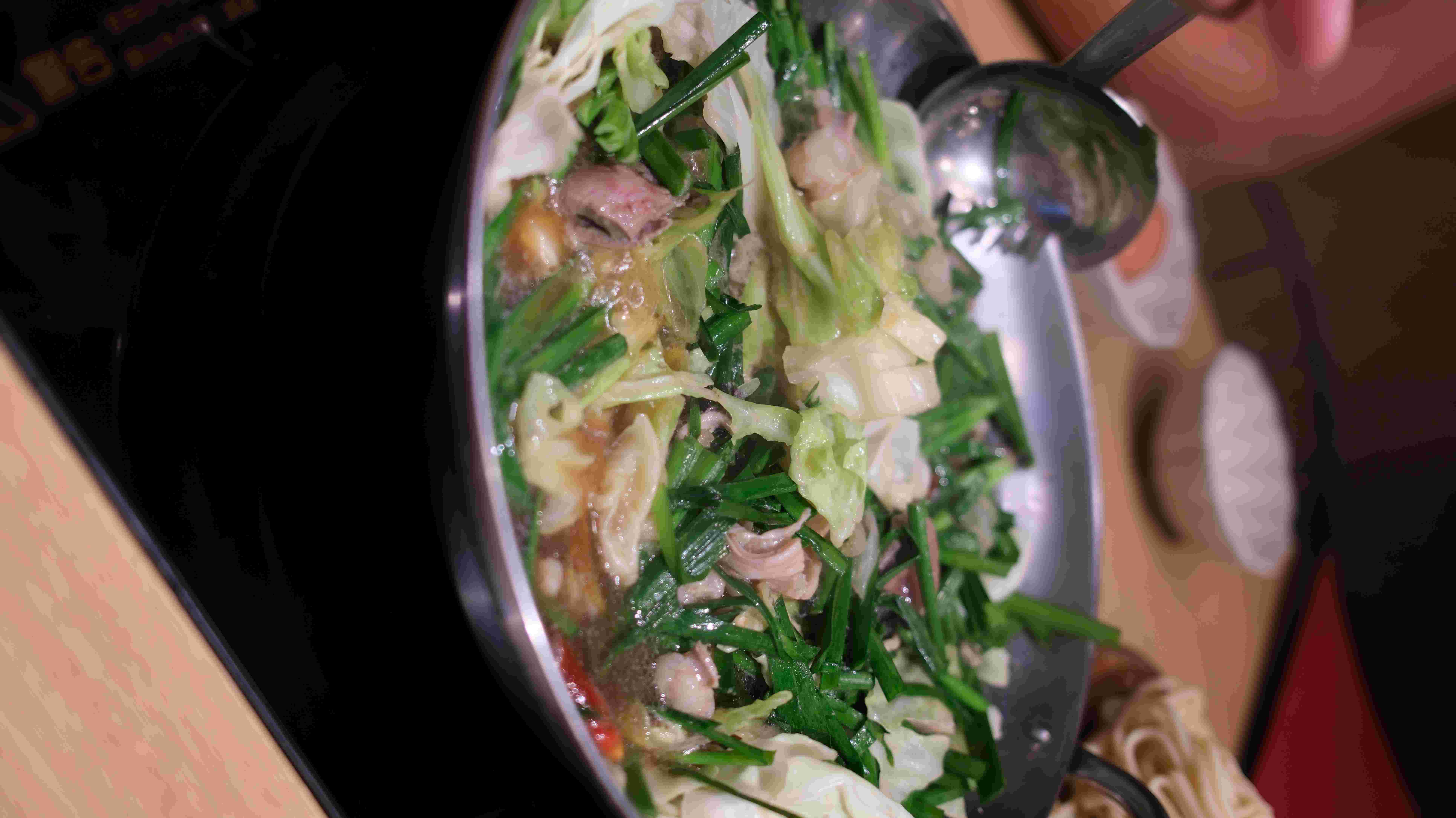
Fukuoka might just be Japan's most underrated city. It's not on most first-time itineraries — and that's a mistake. A food lover's paradise with a relaxed, welcoming atmosphere, open-air yatai stalls glowing at night, the original Hakata tonkotsu ramen, and one of Japan's most beautiful shrines just 20 minutes away. We loved it immediately.
What Fukuoka Is Actually Like
Fukuoka sits on the northern shore of Kyushu — Japan's southernmost main island — and has a completely different energy from Tokyo, Kyoto, or Osaka. It's a big city (over 1.5 million people) that feels genuinely small-town in the best way: walkable, relaxed, full of locals who want to talk, and organized around eating together rather than eating efficiently.
The city has two main areas: Hakata (the transport hub, around the station) and Tenjin (the lifestyle and shopping district). Both are good to stay in; together they cover the city's best food, nightlife, and culture within easy walking distance.
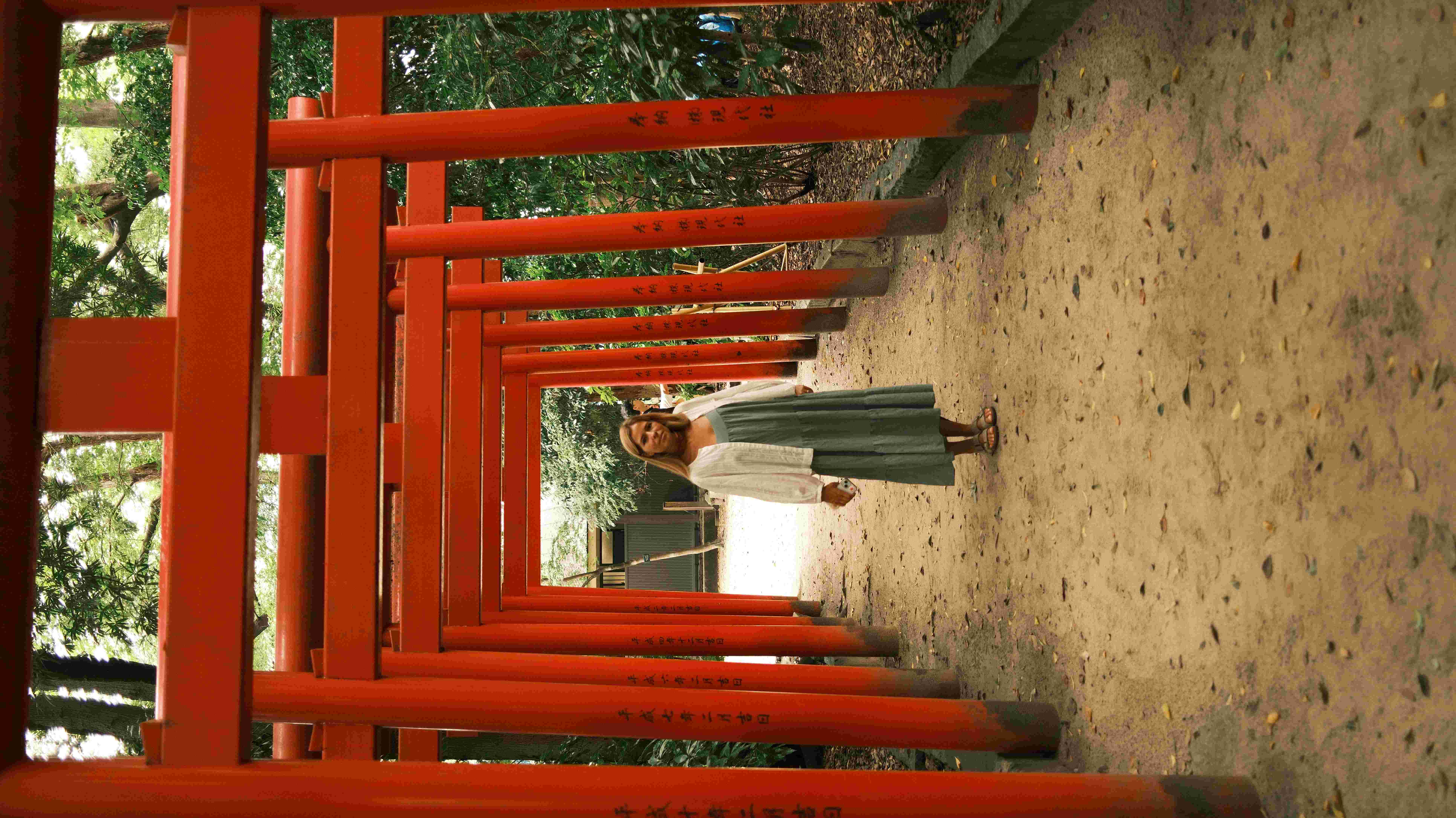
The vibe we found was the perfect balance between big-city energy and small-town warmth — a food lover's paradise where every meal feels homemade. After the intensity of Tokyo and the crowds of Kyoto, Fukuoka felt like a city that hadn't forgotten how to breathe.
What We Loved
The yatai
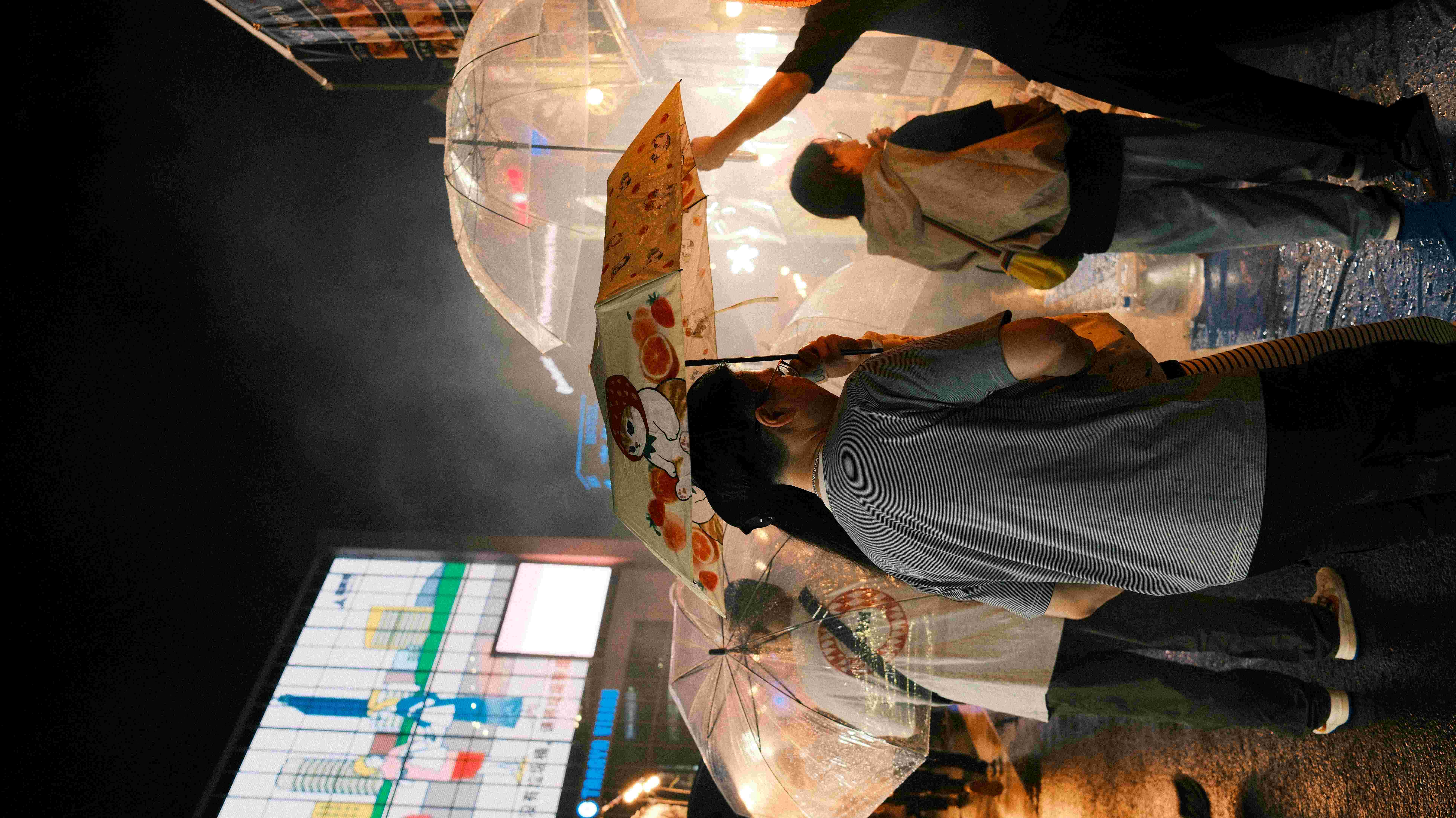
Open-air food stalls that set up every evening along the riverfront and in Tenjin — one of the only places in Japan where this culture still thrives at scale. Small wooden stalls with eight or ten seats, a cook standing in the middle, locals and travellers sitting shoulder to shoulder over bowls of ramen and yakitori. The atmosphere is unlike anything else in Japan: democratic, unpretentious, and genuinely fun. Arrive by 6:30–7pm before seats fill.
Hakata tonkotsu ramen
Fukuoka invented tonkotsu ramen — pork bones boiled for hours until the broth turns creamy, milky, and impossibly rich. The thin straight noodles, the soft-boiled egg, the slices of chashu pork. At Shin Shin, you choose your noodle texture. It's one of those meals that makes you understand a place.
Dazaifu
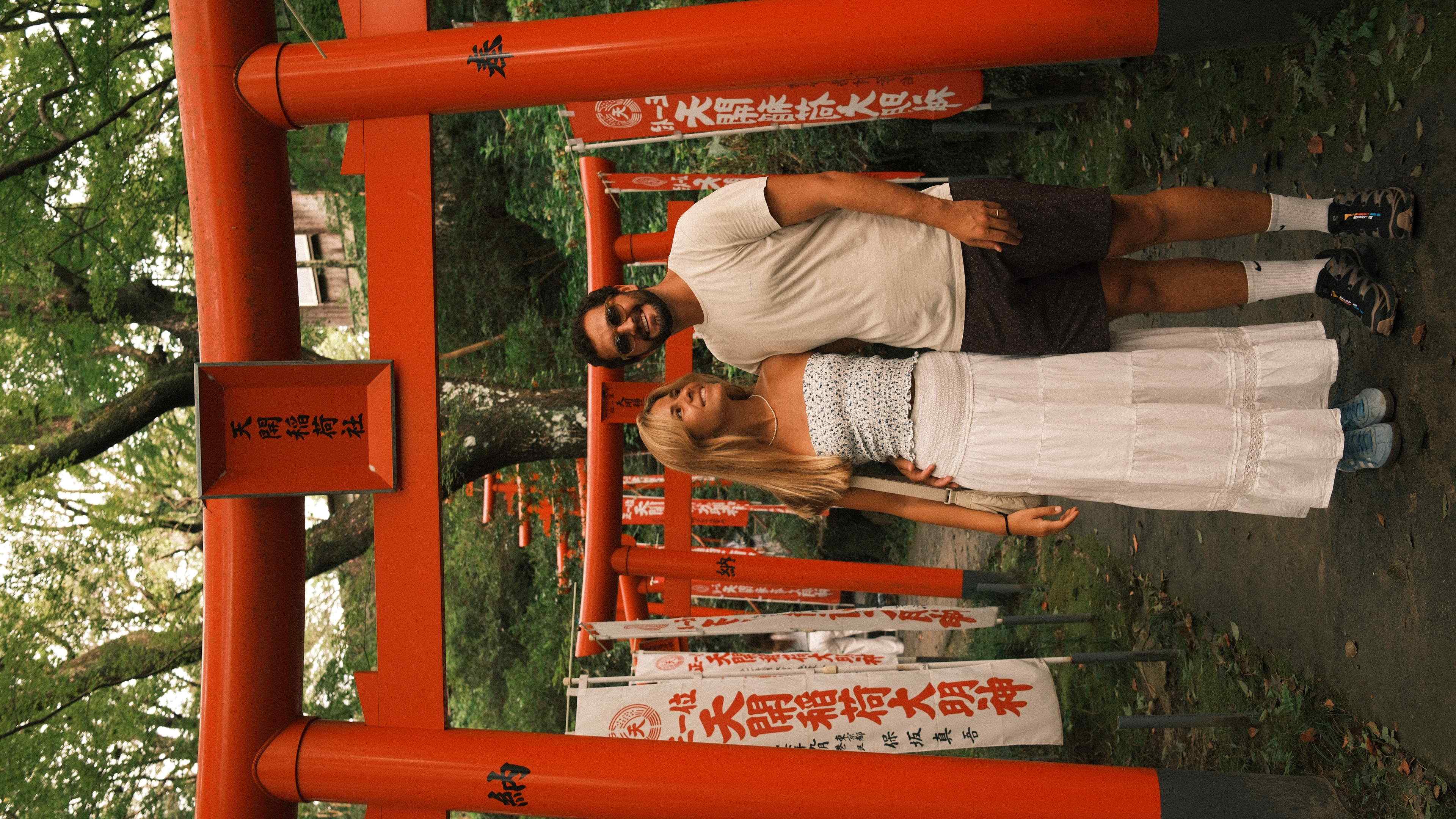
A half-day trip, 20 minutes from Fukuoka — one of Japan's most beautiful and historically significant shrines, surrounded by ponds, plum trees, and forest. Quieter than Kyoto's main temples, less visited, and genuinely moving. The approach street lined with traditional shops is one of the most atmospheric in Japan. Don't skip it. See our full Dazaifu guide.

Sushi Sakaba Sashisu
One of the best sushi meals of our entire Japan trip — prepared right in front of us, incredibly fresh, and surprisingly affordable (around €48 for two). The fish quality in Fukuoka is exceptional: the city sits between the Sea of Japan and the Pacific, and what arrives at the fish markets here is extraordinary.
The size and pace
Fukuoka is big enough to have everything you need and small enough to feel human. The airport is 15 minutes from the city center — one of the world's most conveniently located airports. The streets are walkable. The city doesn't try to overwhelm you.
Honest Notes
International tourists rarely come here
Which means almost no English menus in the yatai stalls and many local restaurants. This is a feature more than a problem — the food is better and cheaper where the tourists aren't. Point and gesture confidently; Japanese restaurant culture is designed to be welcoming even without a shared language.
The sightseeing list is short
Beyond Dazaifu, Kushida Shrine, and Ohori Park, Fukuoka's sightseeing list is not long. It's a city you enjoy rather than tick off. If you need a schedule full of temples and museums, Kyoto is your city. If you want to eat extremely well, sit in a yatai at night, and wander without a plan — Fukuoka is perfect.
Our Verdict
Fukuoka was one of the most enjoyable stops of our Japan trip. The combination of exceptional food at accessible prices, the unique yatai culture, the warmth of the locals, and the Dazaifu day trip made for a genuinely complete experience in a city that most itineraries skip entirely. That underrated status is both why it's good and why it won't stay that way forever.
Put it on your itinerary.
More Fukuoka Guides
- How Many Days in Fukuoka Do You Need?
- Fukuoka Food Guide: Ramen, Yatai and Our Favourites
- The Best Things to Do in Fukuoka + What to Skip
- Dazaifu Day Trip from Fukuoka: Our Complete Guide
- Where to Stay in Fukuoka: Best Areas & Hotels
- 2 Days in Fukuoka Itinerary
- The Best Time to Visit Fukuoka
- The Best Cafes in Fukuoka
- Is Hiroshima Worth Visiting? (Next Stop from Fukuoka)
- All Japan Guides
FAQ
Is Fukuoka worth visiting in Japan?
Yes — it's genuinely one of the best cities in Japan. Most first-time itineraries skip it in favour of Tokyo, Kyoto, and Osaka, but anyone who goes to Fukuoka understands immediately why locals rate it so highly. Add it if you have 2+ extra days.
What is Fukuoka famous for?
Hakata tonkotsu ramen, yatai (open-air food stall) culture, and Dazaifu Tenmangu Shrine. Fukuoka also has Japan's most conveniently located city airport — 15 minutes from the center.
How many days do you need in Fukuoka?
Two days covers the essentials comfortably. Three days adds a day trip to Dazaifu with time to spare. See our full guide.
Some links in this post are affiliate links. If you book through them, we earn a small commission at no extra cost to you.