Seven days is our ideal amount of time in Tokyo — enough to go deep into the city without rushing, and still not quite enough.
This itinerary gives you every major neighbourhood, a day trip to Kamakura, the key food experiences, and breathing room to get lost and find things on your own. It's designed to flow naturally — each day is geographically coherent so you're not spending half your time on the metro.
| Duration | 7 days / 6 nights |
|---|---|
| Accommodation | We'd stay in Harajuku — see our Harajuku hotel guide |
| Transport | Suica card on iPhone/Android or physical card (get at the airport) |
| Budget | €700–1,050 per person for the week (mid-range) |
| Book in advance | TeamLab Borderless tickets (teamlab.art) — book before you arrive |
Day 1: Arrival and Shinjuku
Arrive, check in, recover. Even a short-haul flight to Tokyo warrants time to adjust — the city rewards you more when you're not exhausted.
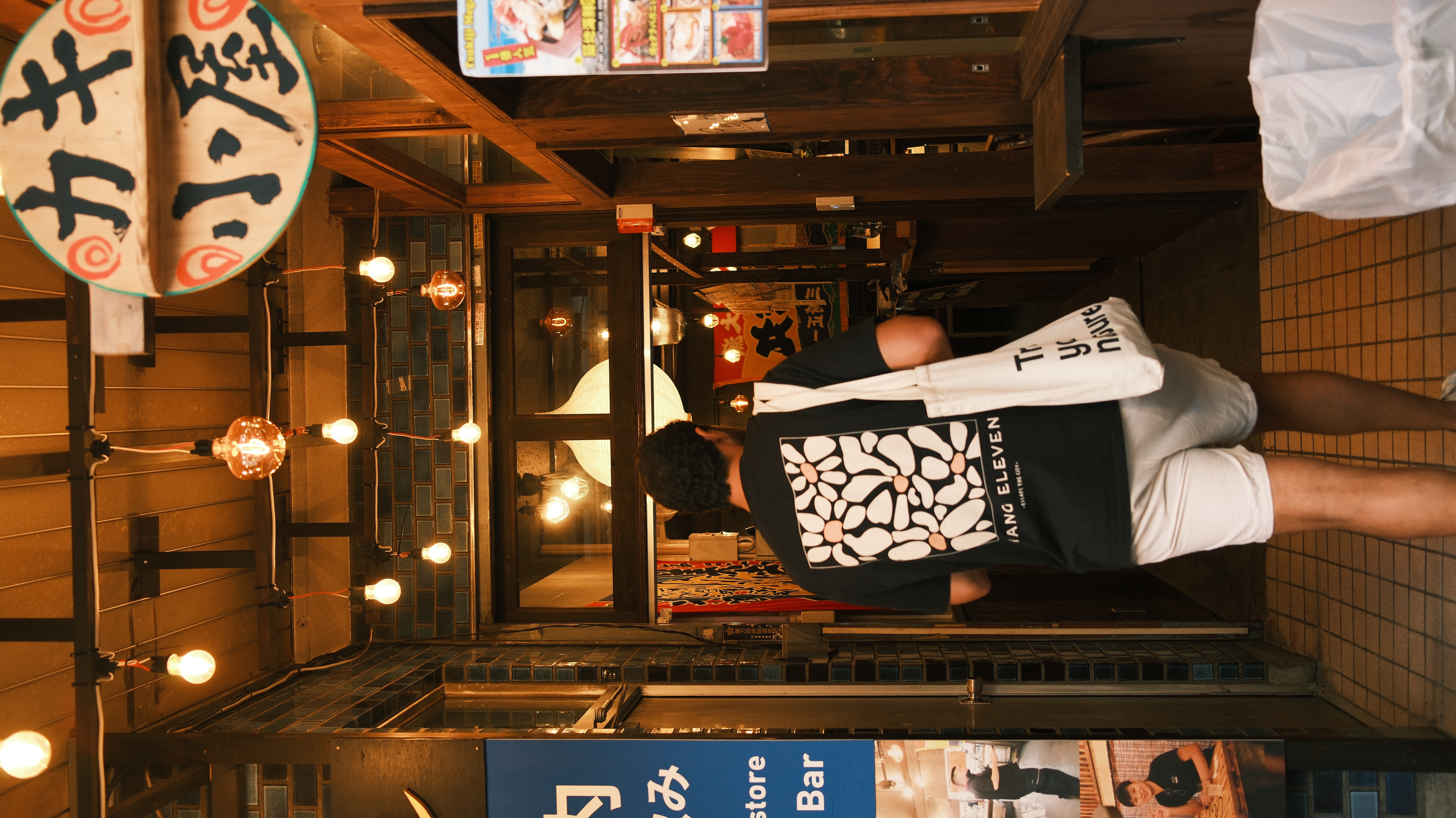
Evening: Head to East Shinjuku for your first Tokyo dinner. Omoide Yokocho (Memory Lane, west exit of Shinjuku Station) for yakitori and cold beer — a tiny alley of 30-odd stalls, smoke rising, €10–15 per person for a full dinner. Then walk into Golden Gai — pick a bar that appeals, pay the cover (€3–5), and have a drink or two. This is how Tokyo should begin.
Day 2: Old Tokyo — Tsukiji, Asakusa, Ueno
7:00am — Tsukiji Outer Market. Start with the city's best breakfast: tuna sashimi, tamagoyaki, grilled scallops at the market stalls. Read our full Tsukiji guide. Budget €15–20, spend 90 minutes.
9:30am — Asakusa. Metro to Asakusa (Hibiya Line, direct). Sensō-ji before the crowds — Kaminarimon gate, Nakamise Street, the temple grounds. Then explore the neighbourhood: Kappabashi (kitchen supply street), Hoppy Street, the canal.
1:00pm — Ueno. Walk 15 minutes to Ueno Park. Tokyo National Museum if you want a deep history session. The park itself for a walk if not. Ameya-Yokocho market at the park edge for a street food lunch.
Evening — Return to Asakusa. Hoppy Street izakayas for dinner. The neighbourhood is pleasant to walk at night.
Day 3: West Tokyo — Harajuku, Omotesandō, Shibuya, Nakameguro
9:00am — Meiji Shrine. Walk from your hotel (if in Harajuku) or metro to Harajuku Station. The forested approach to the shrine is one of the most beautiful morning walks in the city. Free, takes 60 minutes to do properly.
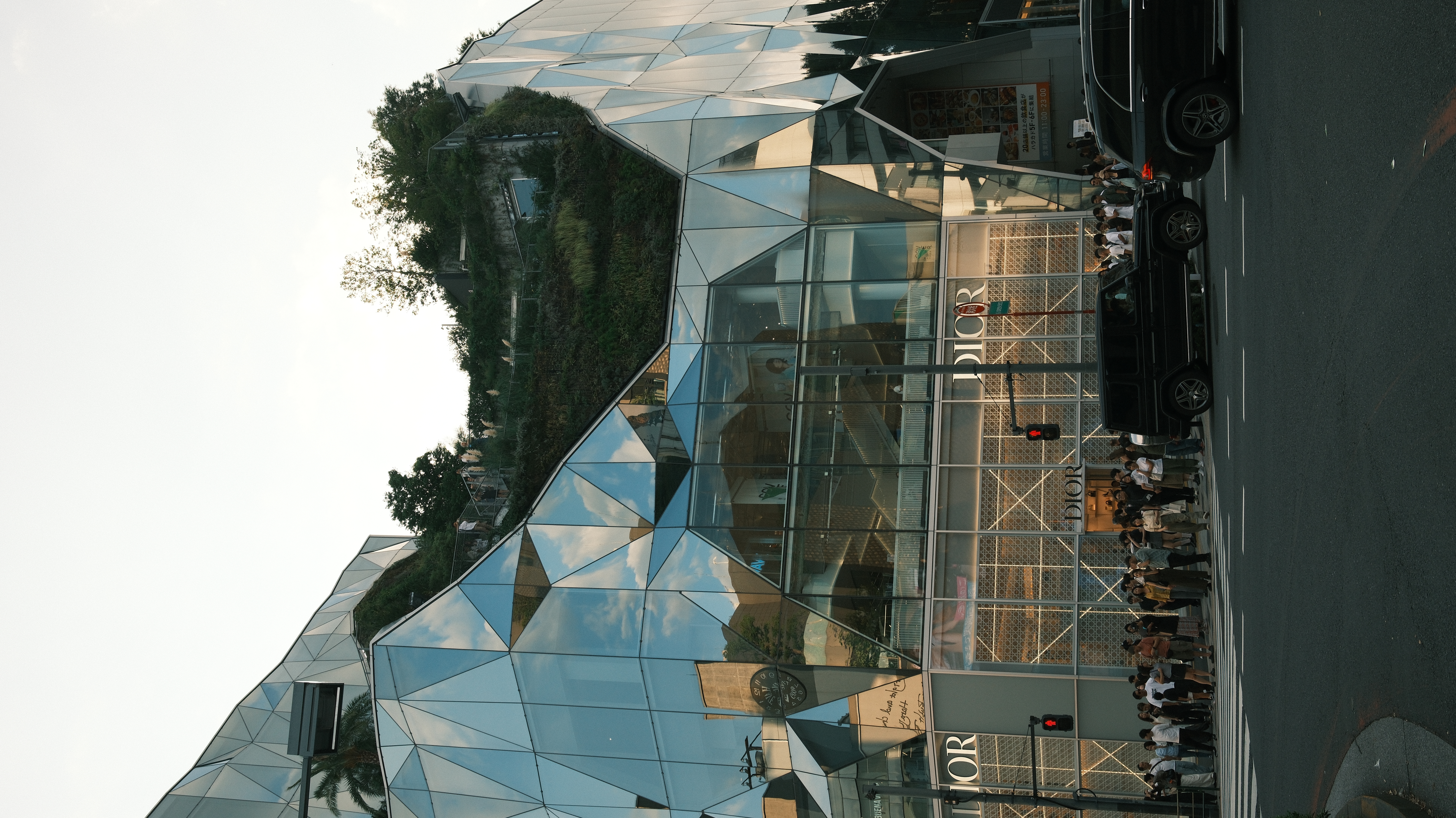
10:30am — Cat Street and Harajuku. Walk Cat Street (Ura-Harajuku) south toward Omotesandō. This is the best morning walk in Tokyo. Stop for coffee at one of the small independent cafés along the route.
12:30pm — Lunch on Omotesandō. Many of the high-end restaurants here offer excellent lunch sets at half the dinner price. Budget €15–25.
2:30pm — Shibuya. Metro or walk to Shibuya. See the Scramble Crossing (best at 5–6pm rush hour, but worth a look at any time). Explore the neighbourhood behind the station — the Udagawacho back streets have excellent independent shops and cafés.
5:00pm — Daikanyama and Nakameguro. Walk from Shibuya (20 minutes) or taxi. Daikanyama for Tsutaya Books and a coffee. Nakameguro canal for dinner — one of the most beautiful evening settings in Tokyo. The canal-side restaurants serve food until late.
Day 4: Electric Tokyo — Ginza, TeamLab Borderless, Shinjuku
10:00am — TeamLab Borderless. Pre-booked first entry slot at Azabudai Hills (Roppongi-Itchome Station). Plan 2–3 hours. See our full TeamLab Borderless review. The tea house inside is worth booking separately on the day via the app.
1:00pm — Lunch at Azabudai Hills. The new development has an excellent food hall. Spend lunch here and explore the architecture — it's impressive and still new enough to feel exciting rather than crowded.
3:00pm — Ginza. Metro to Ginza (10 minutes). Tokyo's most upscale shopping district: Ginza Six, Itoya stationery store, the Apple Store, the Chanel building. Even without shopping intent, the area is beautiful and the Ginza Six basement food hall is one of the best in Tokyo.
Evening — Shinjuku again. Dinner at one of the restaurant alleys near East Shinjuku. Kabukicho is worth walking at night — the entrance to it (Kabukicho Ichibangai) is one of the most dramatic streetscapes in Tokyo.
Day 5: Day Trip to Kamakura
Full day out of Tokyo. Take the JR Yokosuka Line from Shinjuku or Tokyo Station to Kamakura (about 55 minutes, ¥920 each way).
See the Great Buddha at Kotoku-in (9am, before tour groups), Hase-dera Temple (sea views and a beautiful 9-metre Kannon), lunch near Kamakura Station (excellent soba), Tsurugaoka Hachimangu Shrine in the afternoon. Optional: Yuigahama Beach for a late-afternoon walk.
Read our full day trips from Tokyo guide for the complete breakdown.
Return to Tokyo for dinner. You'll be back by 6–7pm with energy left. Dinner near your hotel or a relaxed izakaya evening.
Day 6: Shimokitazawa, Koenji, and the Local Tokyo
Most Tokyo itineraries don't include this day — but it's often the day people say they loved most. Shimokitazawa and Koenji are the Tokyo that Tokyoites actually live in.
10:00am — Shimokitazawa. Take the Keio Inokashira Line from Shibuya (4 minutes) or Odakyu from Shinjuku. Shimokitazawa is a neighbourhood of vintage clothing shops, independent music venues, small theatres, and the city's best cult coffee spot (Bear Pond Espresso). Walk it slowly — the streets are narrow and full of interesting things to find. Lunch at one of the small restaurants along the main shopping street.
2:00pm — Koenji. Metro from Shimokitazawa to Koenji (about 20 minutes). Another neighbourhood the tourist circuit mostly misses — the vintage clothing scene here is the best in Tokyo (over 80 vintage shops within walking distance of the station). Even if clothing isn't your priority, the neighbourhood's covered shotengai (shopping arcade), cafés, and general atmosphere are very good.
Evening — Shinjuku or Nakameguro. Return via Shinjuku for a final evening in Golden Gai, or head back to Nakameguro for a last canal dinner.
Day 7: Quiet Morning and Departure
Save the quietest morning for last. Wherever you're departing from, build in time for one final Tokyo breakfast — Tsukiji again if you can't resist, or coffee and a pastry at Fuglen or Onibus. The city is at its most peaceful before 9am.
Check out, store bags if needed (coin lockers at Shinjuku or Tokyo Station), and spend the remaining hours wherever felt most like Tokyo to you this week.
Everything you need before you go
- Where to Stay in Tokyo
- Where to Stay in Harajuku: Our Top Hotels
- Shinjuku vs Harajuku: Which to Base Yourself In
- Is Tokyo Expensive? Our Budget Breakdown
- Best Time to Visit Tokyo
- Best Restaurants in Tokyo
- Best Cafes in Tokyo
- Best Things to Do in Tokyo
- TeamLab Borderless Review
- Best Day Trips from Tokyo
FAQ
Is 1 week enough for Tokyo?
Seven days is our sweet spot — enough time to explore the city with depth and pace, with room for a day trip. Ten days would still feel like not quite enough. If you're doing a wider Japan trip (Tokyo + Kyoto + Osaka), see our Japan destination guide for how to split your time.
How much does 1 week in Tokyo cost?
At a mid-range budget (boutique hotel, good restaurants, some paid activities), expect €700–1,050 per person for the week excluding flights. See our full Tokyo budget breakdown.
What's the best time of year for a week in Tokyo?
Late March to early April (cherry blossoms) or October to mid-November (autumn foliage). Both are extraordinary. See our full seasonal guide.
Should I get the JR Pass for Tokyo?
For a Tokyo-only trip: probably not. The Suica card covers all metro and JR lines within Tokyo. The JR Pass is worth considering if you're travelling between multiple Japanese cities (Tokyo–Kyoto–Osaka) — compare the pass cost against your specific route before buying.
More Tokyo Guides
Some links in this post are affiliate links. If you book through them, we earn a small commission at no extra cost to you — it helps us keep writing guides like this one.