Hiroshima's food scene is one of the most distinctive in Japan — a city with specific, proud dishes that it does better than anywhere else. Hiroshima-style okonomiyaki is a layered masterpiece completely different from the Osaka version. The oysters come from one of Japan's great oyster-producing regions. The beef tongue at GOROU was one of the best meat dishes of our entire Japan trip. And the anago-meshi on Miyajima is the eel experience you've been waiting for. Here's everything worth eating, and where to eat it.
Hiroshima-Style Okonomiyaki — Okonomimura ★★★★★
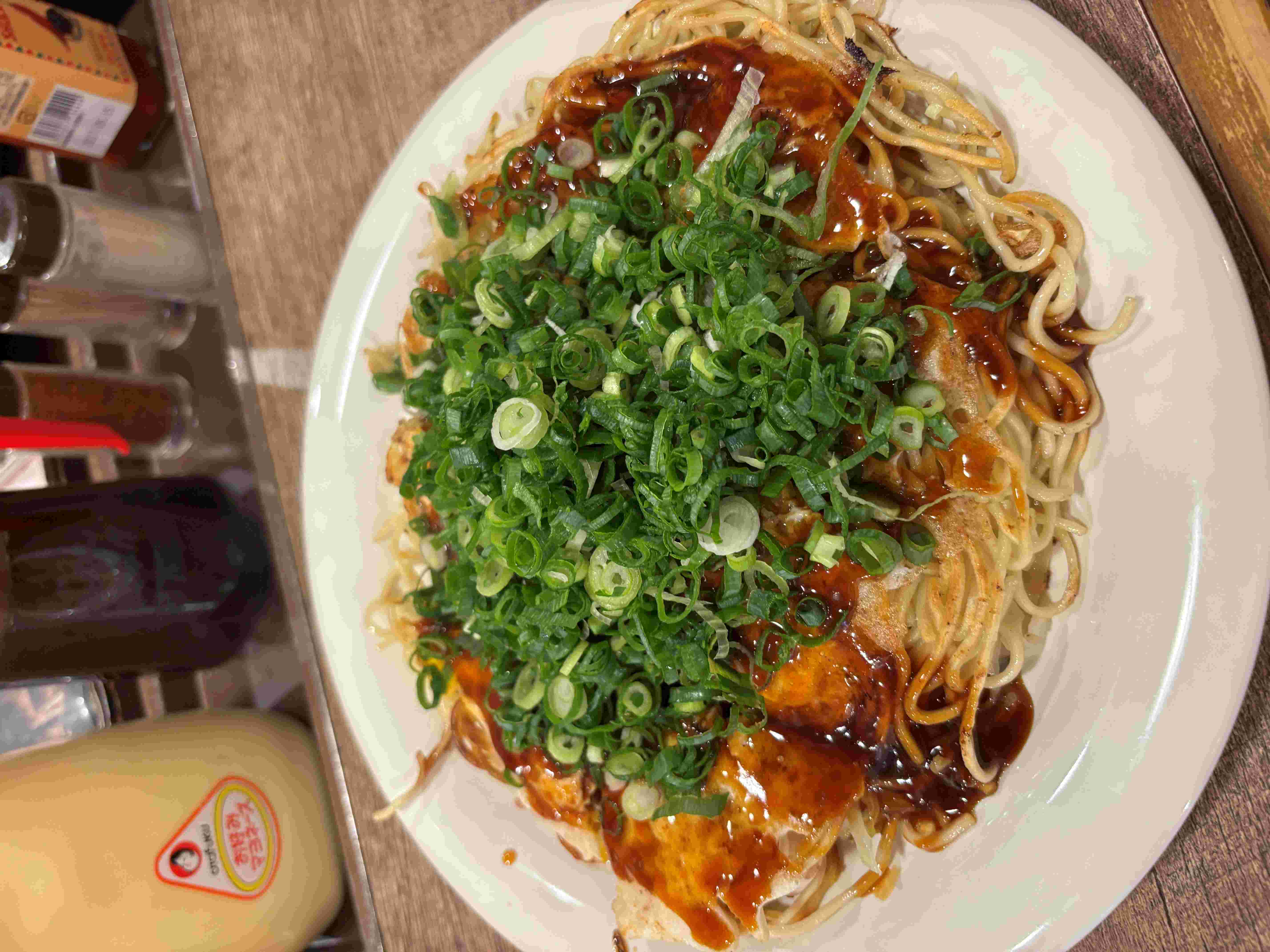
Hiroshima's signature dish — and the reason Hiroshima-Osaka food debates exist. Where Osaka mixes all the ingredients together before cooking, Hiroshima builds the okonomiyaki in layers on the teppan: a thin crepe of batter, then a mountain of cabbage (which shrinks dramatically as it cooks), then noodles (either udon or thinner soba), then pork belly or seafood, then another thin layer of batter, flipped carefully, topped with sweet-savoury okonomiyaki sauce, Japanese mayonnaise, bonito flakes, and dried seaweed. The whole construction — each layer visible in the cross-section when you cut through it — is a different thing entirely from what Osaka makes.
Okonomimura is the dedicated destination: a food building with 25+ okonomiyaki restaurants across three floors, each with open teppan grills and counter seating. Sit at the counter directly in front of the chef and watch the whole process — the careful spreading of the batter, the mountain of cabbage going on, the patient press of the spatula as it compresses, the perfect flip. Watching is half the pleasure.
Pick any restaurant with free counter seating — quality is consistently good across the building. The pork belly version is the classic; the seafood version (with squid and shrimp) is excellent if you want something lighter.
Our verdict: One of the best meals we had in Japan. Non-negotiable in Hiroshima.
Beef Tongue at Charcoal Yakiniku GOROU ★★★★★
An unexpected highlight — GOROU was one of our favourite meat restaurants of the entire Japan trip. Beef tongue grilled over charcoal: sliced thin, placed on the hot grate, and eaten simply with salt, lemon, and the specific combination of smoke and char that only a proper charcoal grill produces. Tender, smoky, perfectly seasoned. The guide's assessment is accurate: "tender, smoky, and perfectly seasoned — grilled to perfection over charcoal."
Yakiniku (grilled meat) restaurants are everywhere in Japan, but the quality at GOROU is notable — the sourcing of the tongue and the calibration of the charcoal heat put it above the standard izakaya yakiniku experience. Reserve if possible, especially on weekend evenings.
Our verdict: Worth planning a dinner around. One of the best beef experiences of the Japan trip.
Tsukemen at Ippei-Ya ★★★★☆
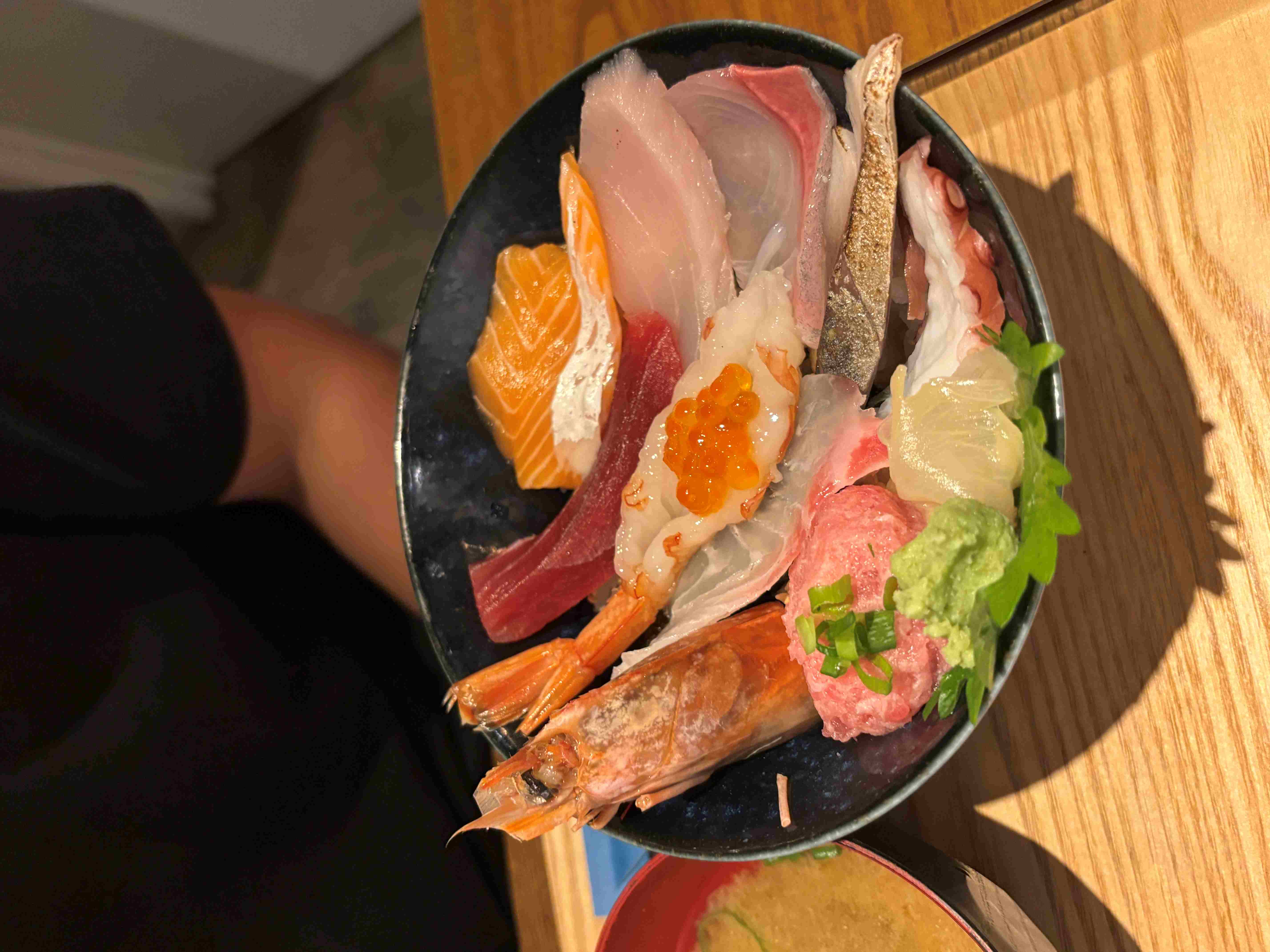
Tsukemen is a dry-style noodle dish where thick, cold or room-temperature noodles are served separately from a rich, concentrated broth — you dip each bite of noodle into the broth and eat them together. Ippei-Ya's version is spicy and deeply flavoured: the broth has a complexity and heat that the guide describes as "explosive flavor and surprisingly addictive." If you enjoy bold, punchy Japanese food, this is worth seeking out.
Tsukemen is a less-visited category of noodle dish in Hiroshima (the city is better known for okonomiyaki and oysters) — which means Ippei-Ya is never as crowded as the okonomiyaki spots.
Hiroshima Oysters ★★★★★
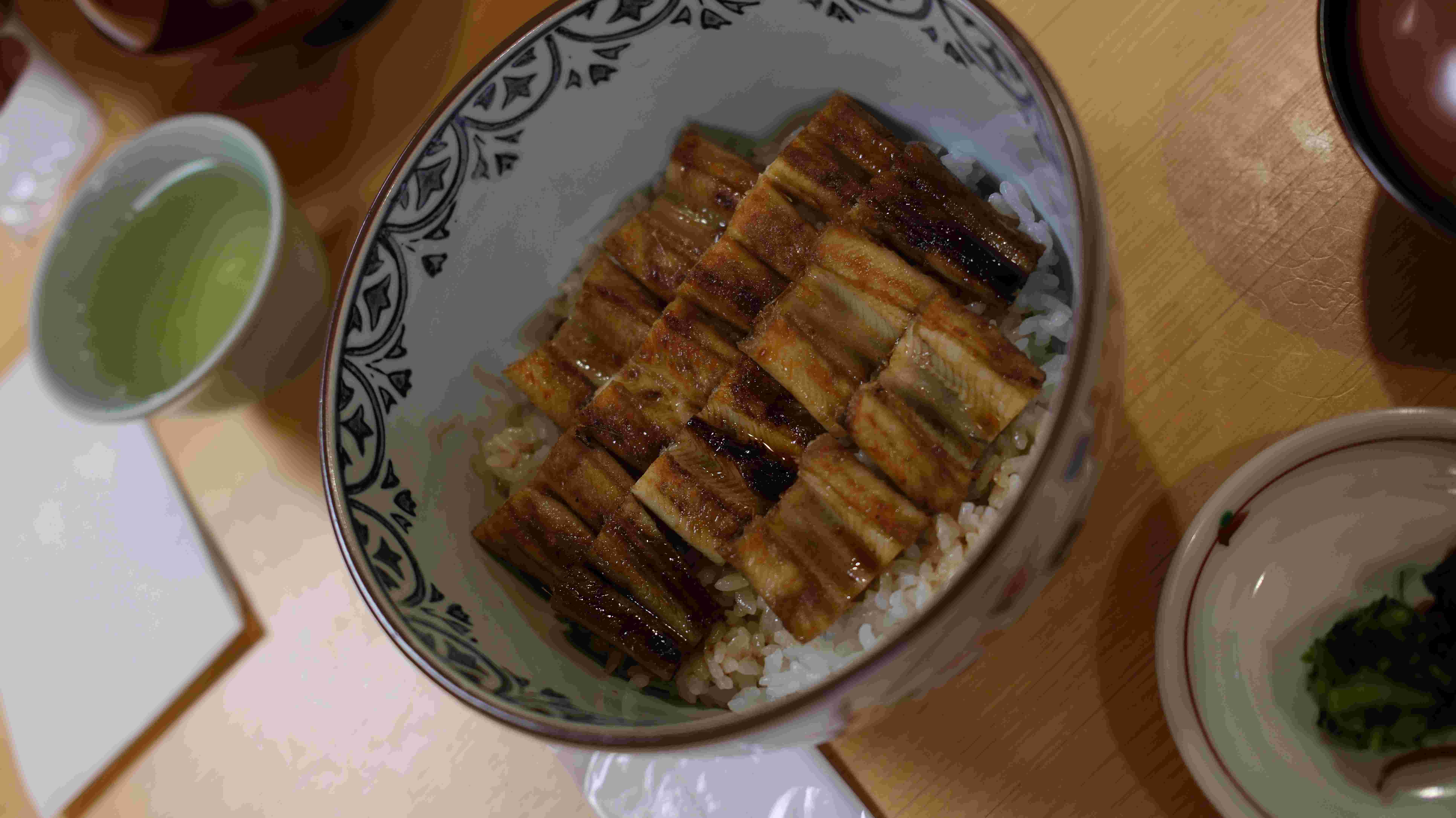
Hiroshima Prefecture produces approximately 60% of Japan's oysters — and the quality reflects it. The Seto Inland Sea's calm, nutrient-rich waters produce oysters that are large, sweet, and distinctively flavoured compared to the briny Atlantic oysters most Europeans know. Eat them in three forms:
- Raw on the half shell — the purest expression; best at a dedicated oyster restaurant in the city
- Charcoal-grilled — the street stall form on Miyajima Island; the shells open on the grill and the oyster inside steams in its own liquid with charcoal smoke. One of the definitive street food experiences of western Japan
- Kaki-furai (deep-fried in panko) — the Japanese comfort food version; crispy outside, creamy inside. Available everywhere
The Miyajima approach street is the best place for grilled oysters — eat them at a street stall counter with a cold beer. The best oyster restaurants in Hiroshima city are concentrated around the city centre and near the Peace Park.
Anago-meshi on Miyajima ★★★★★
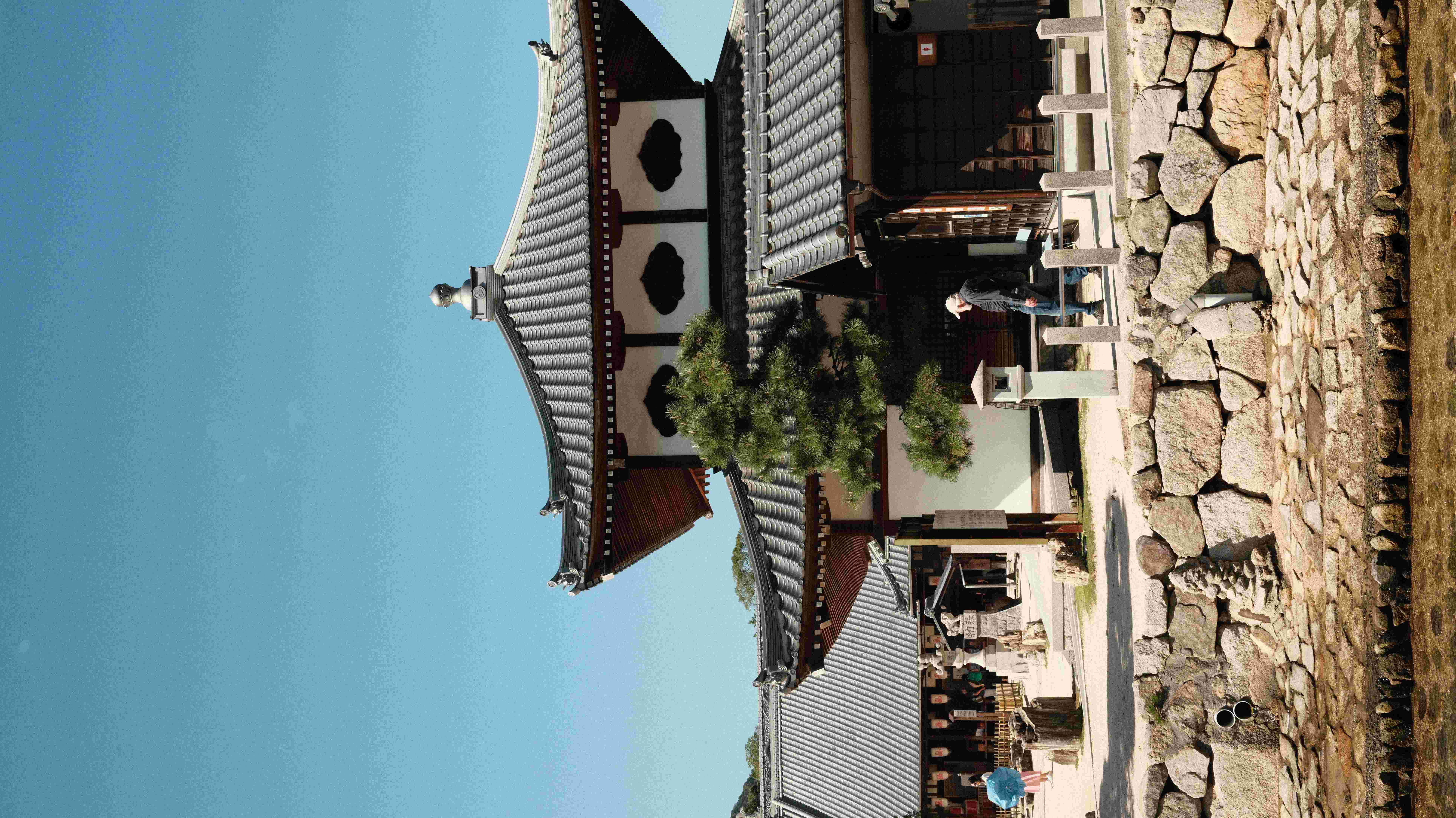
Miyajima Island's signature dish — conger eel (anago) grilled and served over rice in a lacquered box with tare sauce. Anago is distinct from freshwater unagi (the more widely available eel in Japan) — it's more delicate in flavour, slightly less fatty, with a cleaner taste that allows the grilling and the sauce to come through more clearly. The Miyajima anago-meshi tradition is specific to this island and the surrounding waters; eating it here is the right context.
Several restaurants on the Miyajima approach street serve anago-meshi. Look for the ones with grills visible through the door — the freshly grilled version is significantly better than the pre-prepared sets sold in takeaway boxes.
Momiji Manju ★★★★☆
The snack of Miyajima — maple leaf-shaped cakes filled with red bean paste (the traditional version), cream, custard, or chocolate in modern iterations. Buy them freshly baked from one of the shops on the approach street where you can watch the cast-iron moulds pressing the batter. The traditional red bean version is the one to try first. Simple, well-made, very Miyajima.
More Hiroshima Guides
- Miyajima Island Day Trip from Hiroshima
- The Best Things to Do in Hiroshima
- 2 Days in Hiroshima Itinerary
- Is Hiroshima Worth Visiting? Our Honest Review
- Where to Stay in Hiroshima
- Hiroshima Peace Memorial Park & Museum: Our Full Review
- Is Naoshima Worth Visiting? (Next Stop via Uno Port)
- Is Fukuoka Worth Visiting? (Shinkansen from Hiroshima)
- All Japan Guides
FAQ
What is the must-eat food in Hiroshima?
Hiroshima-style okonomiyaki at Okonomimura (non-negotiable), charcoal-grilled oysters on Miyajima Island, and anago-meshi (conger eel on rice) also on Miyajima. If you eat meat, add beef tongue at GOROU.
What is the difference between Hiroshima and Osaka okonomiyaki?
Osaka mixes all ingredients together before cooking. Hiroshima builds in distinct layers — batter, cabbage, noodles, meat — each cooked separately and stacked, with the layered cross-section visible when you cut through it. Different dishes that share a name. Both are excellent in their city of origin.
Where do you eat oysters in Hiroshima?
On Miyajima Island at the street stalls on the approach to the shrine (charcoal-grilled, best version). Also at restaurants in Hiroshima city centre. The grilled version at a Miyajima stall is the right first oyster experience.
Some links in this post are affiliate links. If you book through them, we earn a small commission at no extra cost to you.