Asakusa is the part of Tokyo that feels most like old Japan — and it's our favourite neighbourhood in the city to spend a full morning.
Most visitors come for Sensō-ji and leave. We'd encourage you to stay longer. The neighbourhood around the temple has a character and depth that rewards wandering — traditional crafts, the city's best kitchen supply street, excellent izakayas on Hoppy Street, the Sumida River canal walk, and the best view of the Tokyo Skytree you'll find anywhere.
| Getting there | Asakusa Station (Tokyo Metro Ginza Line, Toei Asakusa Line, or Tobu Skytree Line) |
|---|---|
| Best time to arrive | 7–8am for Sensō-ji; daytime fine for the rest of the neighbourhood |
| Time needed | Half day minimum; full day if you go slowly |
| Best pairing | Combine with Ueno (15 min walk) or Tsukiji (15 min by metro) for a full day |
Sensō-ji Temple — Start Here
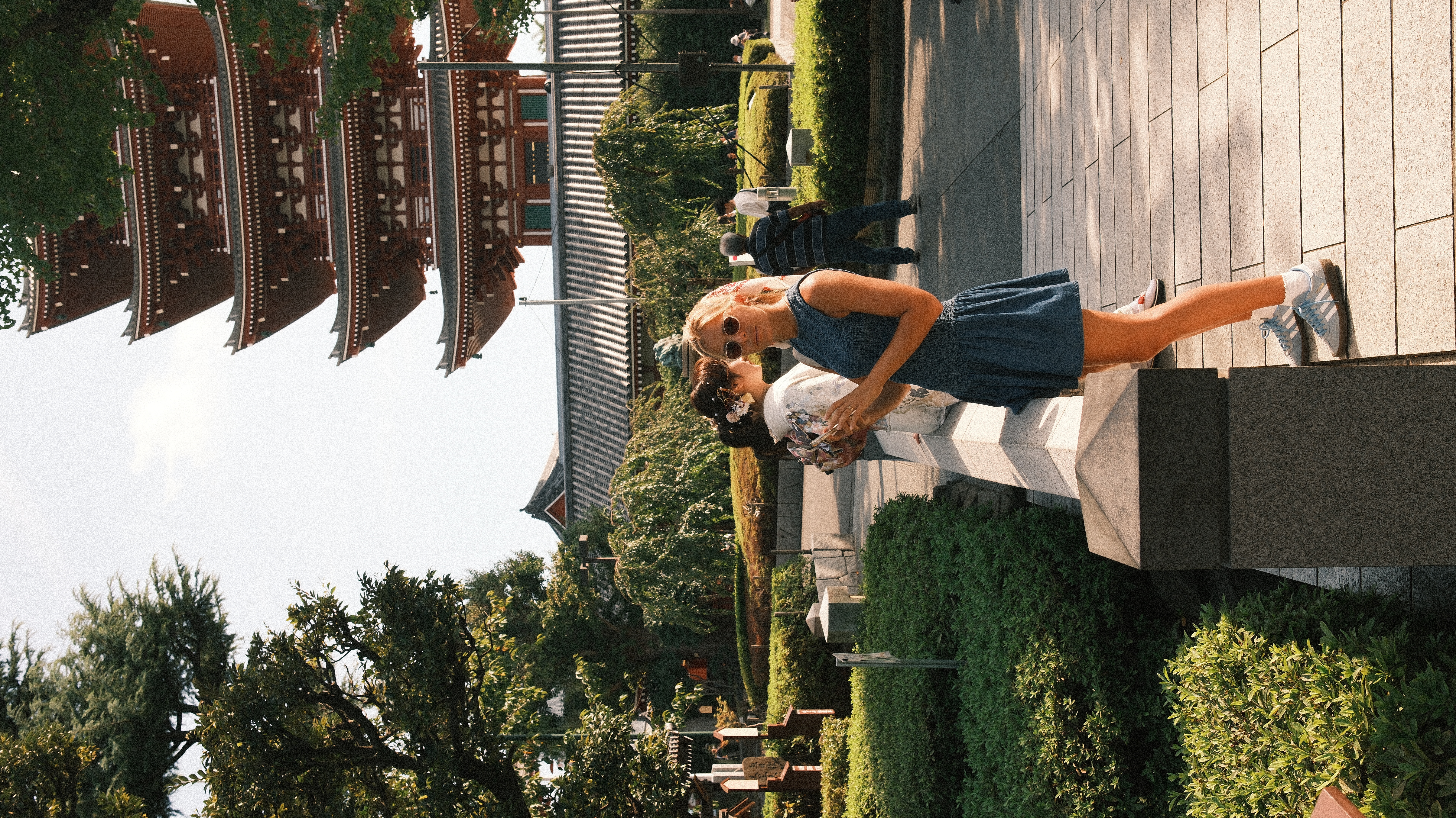
The five-storied pagoda — most visitors walk straight past it. Go left at the Hozomon gate.
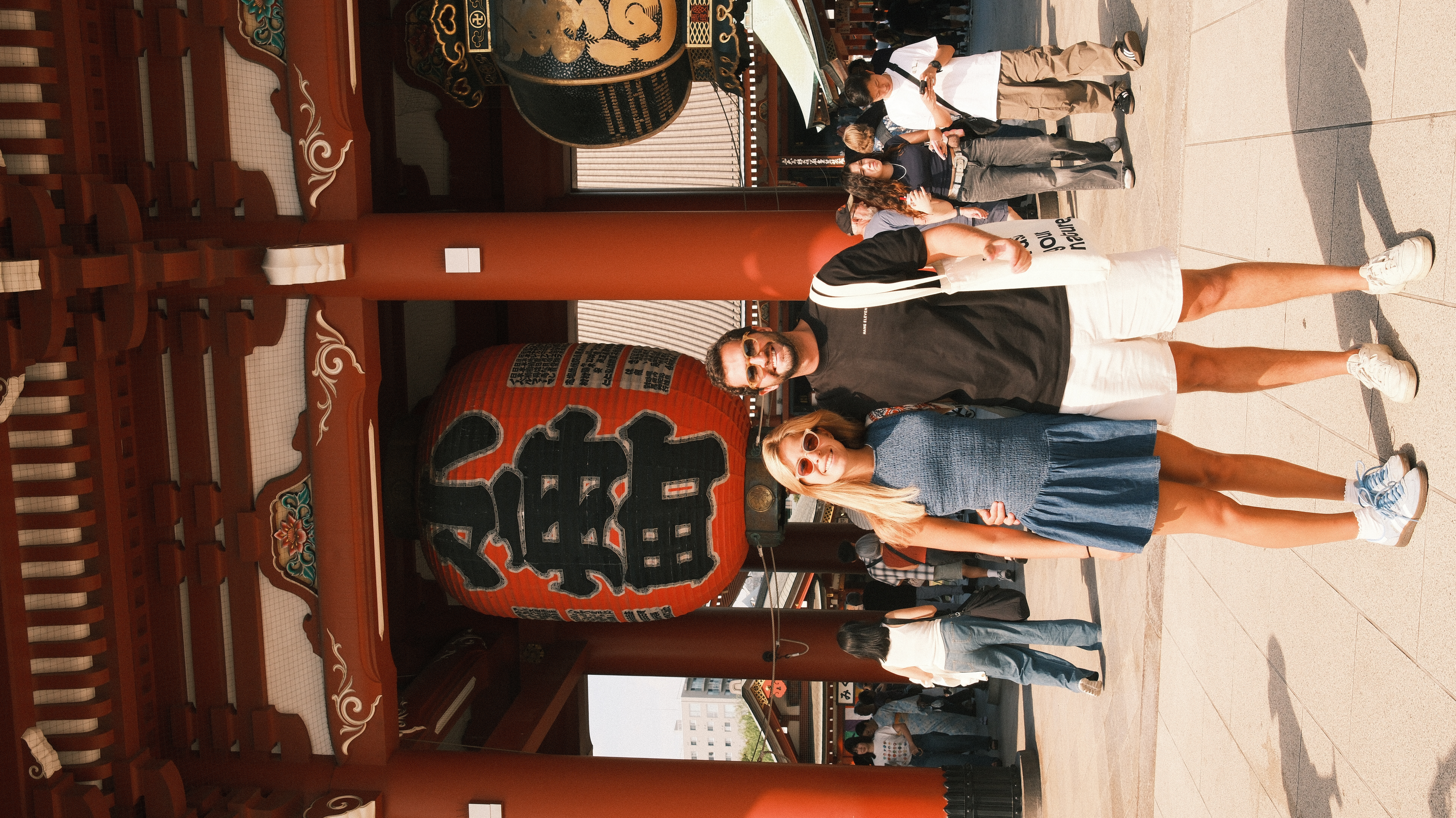
Start at Sensō-ji before 9am. Tokyo's oldest and most famous temple is genuinely beautiful in the morning before the crowds — the Kaminarimon gate, the Nakamise shopping arcade, the Hozomon inner gate, the main hall and pagoda. Free to enter.
See our full Sensō-ji guide for everything to do and not miss inside the temple complex. Budget 60–90 minutes.
Kappabashi — The Kitchen Street
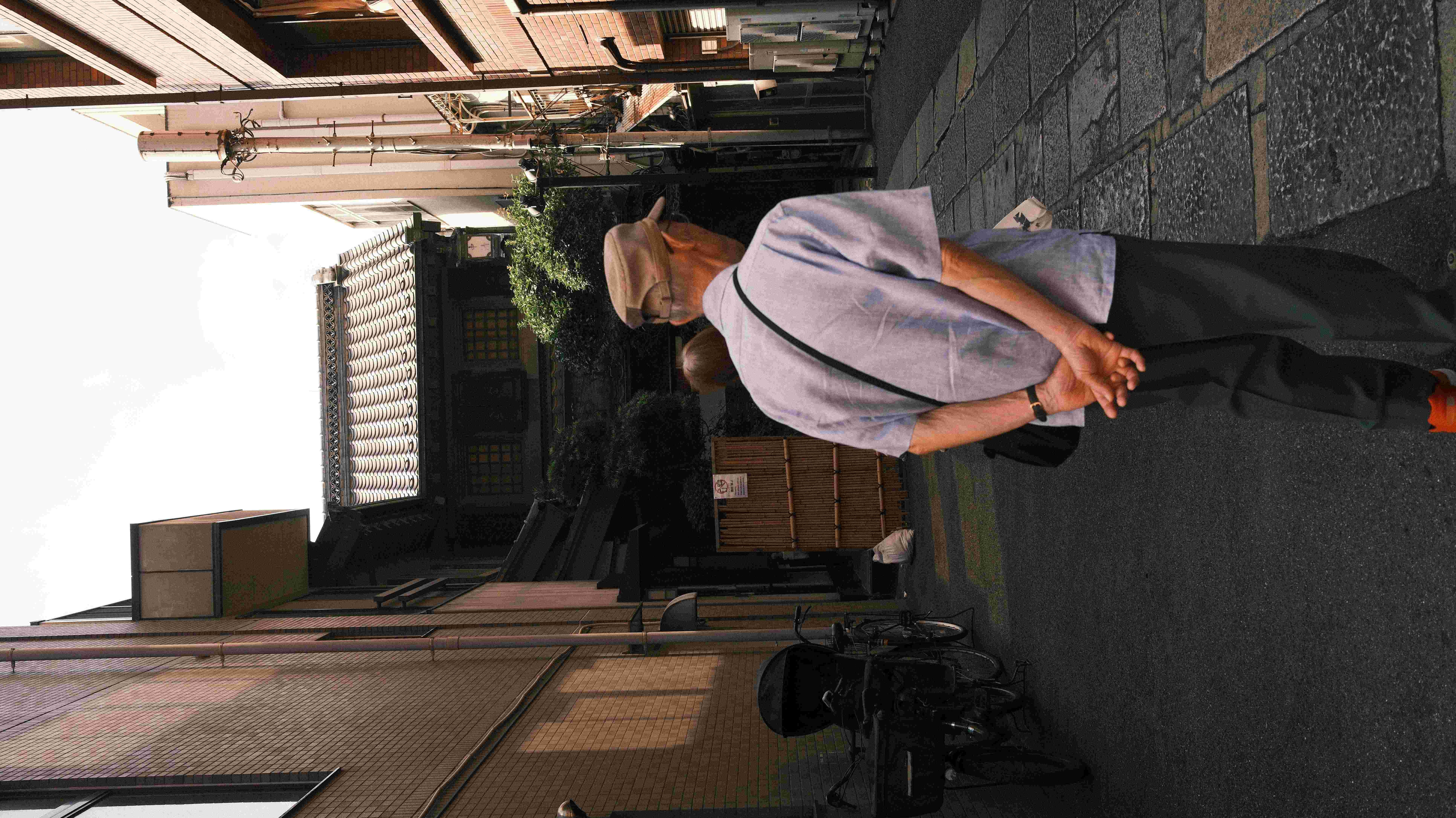
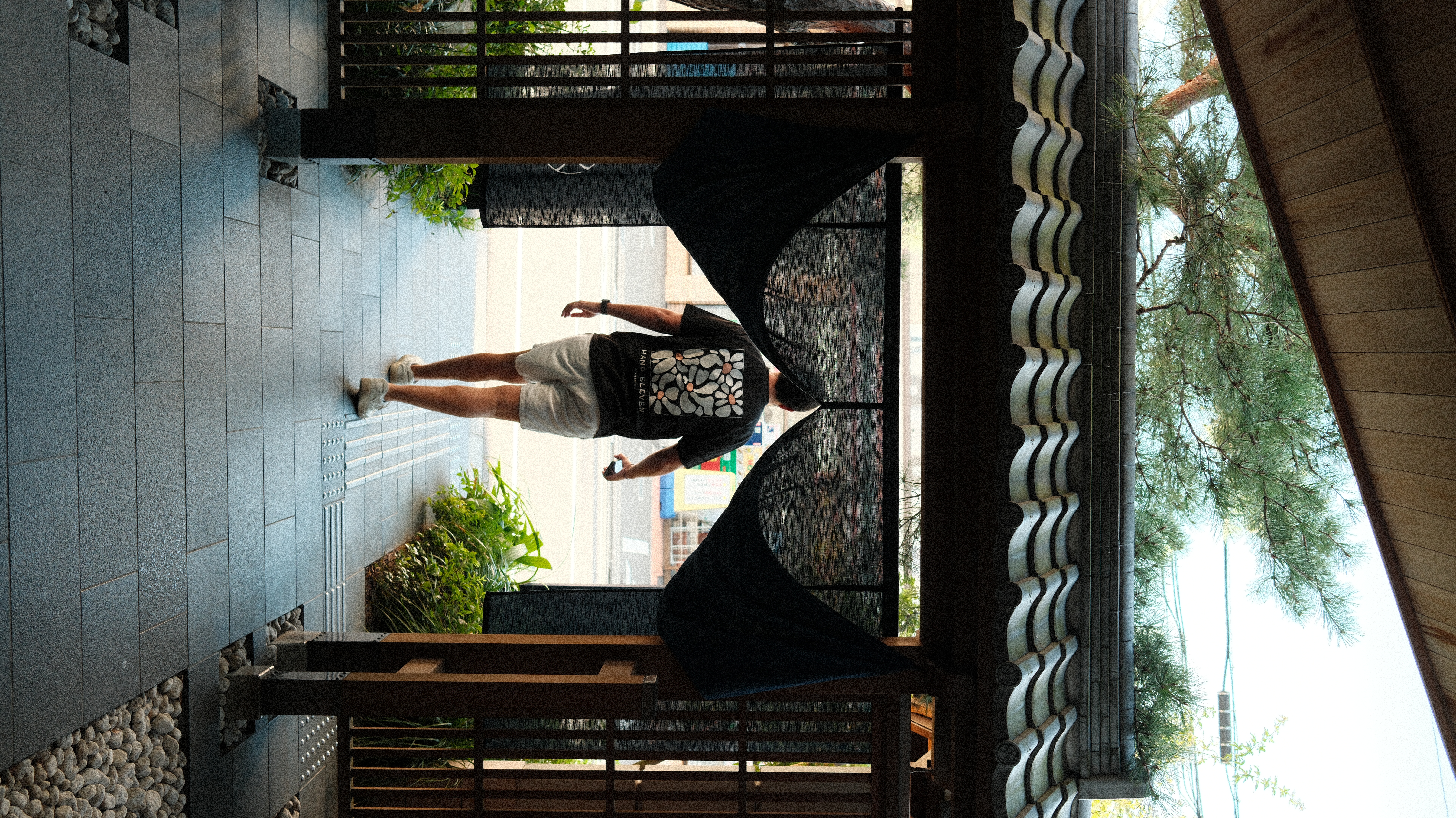
The back streets around Kappabashi still feel like old Tokyo.
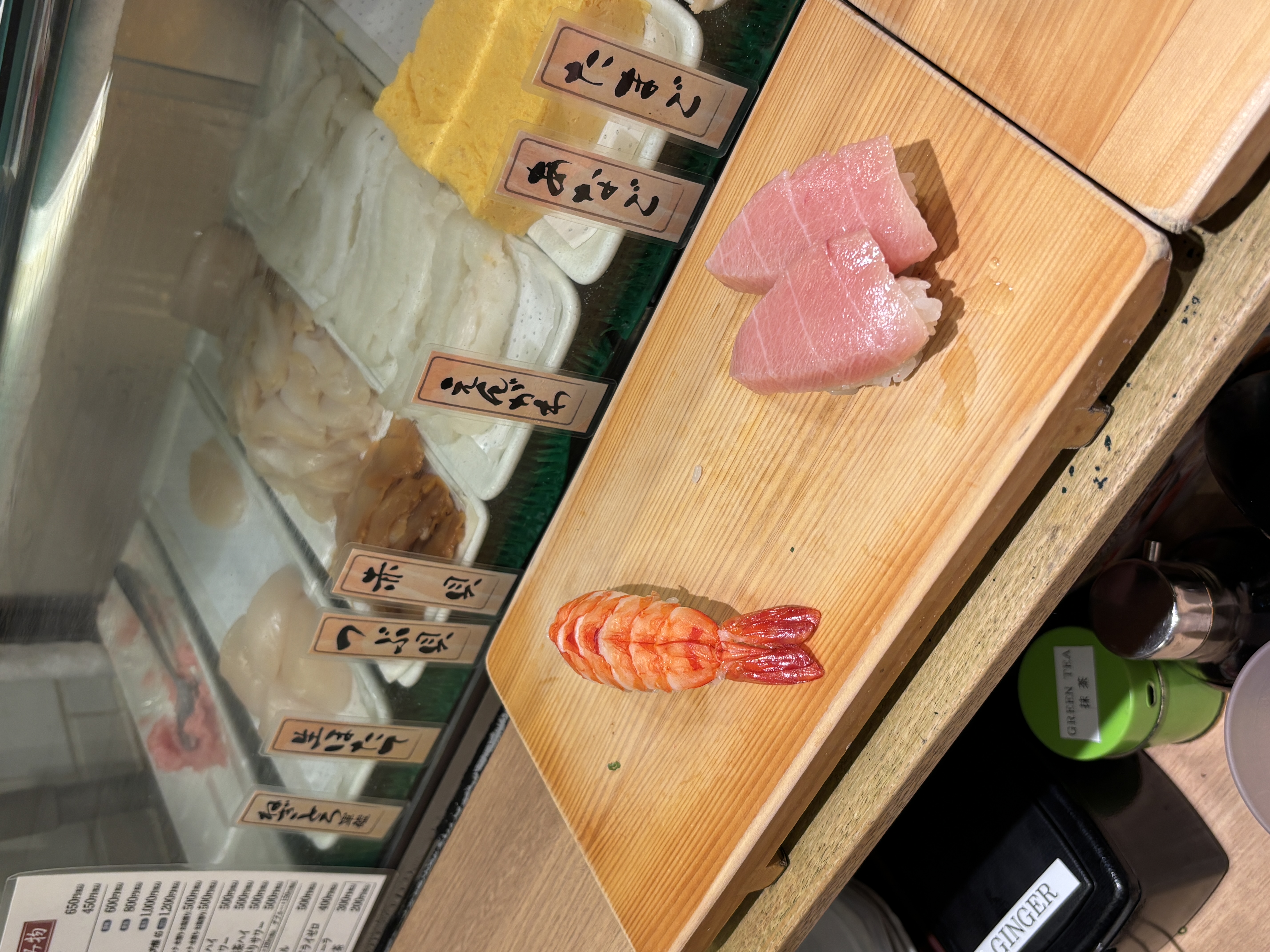
Kappabashi Dori — also called Kitchen Town or Kappa-bashi Kitchen Street — is a 800-metre street of around 170 shops selling cooking equipment, tableware, chef knives, fake food samples (the plastic sushi and ramen displays you see in restaurant windows), and restaurant supplies. It's been here since the 1920s and is used by Tokyo's professional chefs and restaurant owners.
Even if you're not a kitchen obsessive, it's one of the most interesting streets in Tokyo. The fake food displays alone are worth seeing (some cost hundreds of euros and are extraordinary objects). The knife shops are world-class. A 30-minute browse turns into 90 minutes without noticing.
Don't miss: Kama-Asa (cooking pots and traditional kitchen tools, very old shop), the knife shops in the northern section, and the Giant Chef — a 7-metre gold chef's head on top of the Niimi shop that's a Kappabashi landmark.
Getting there: A 10-minute walk west of Sensō-ji, or from Tawaramachi Station (Ginza Line, one stop from Asakusa).
Nakamise Side Streets
The main Nakamise shopping street (the arcade leading from the Kaminarimon to the temple) is good but crowded. The parallel side streets — particularly the streets to the east and west of Nakamise — have better quality craft shops with fewer tourists. Look for:
- Lacquerware (urushi): Bowls, boxes, and trays in traditional Japanese lacquer. Good quality shops on the side streets sell pieces that will last decades.
- Tenugui (cotton hand towels): Traditional Japanese cotton cloths with dyed designs. Practical, lightweight, beautiful — excellent gifts. The shop Fujiya on the side streets is particularly good.
- Yukata and kimono accessories: Not custom-fitted, but good quality casual pieces and accessories at accessible prices.
- Paper crafts and stationery
Hoppy Street — Best for Lunch and Drinks
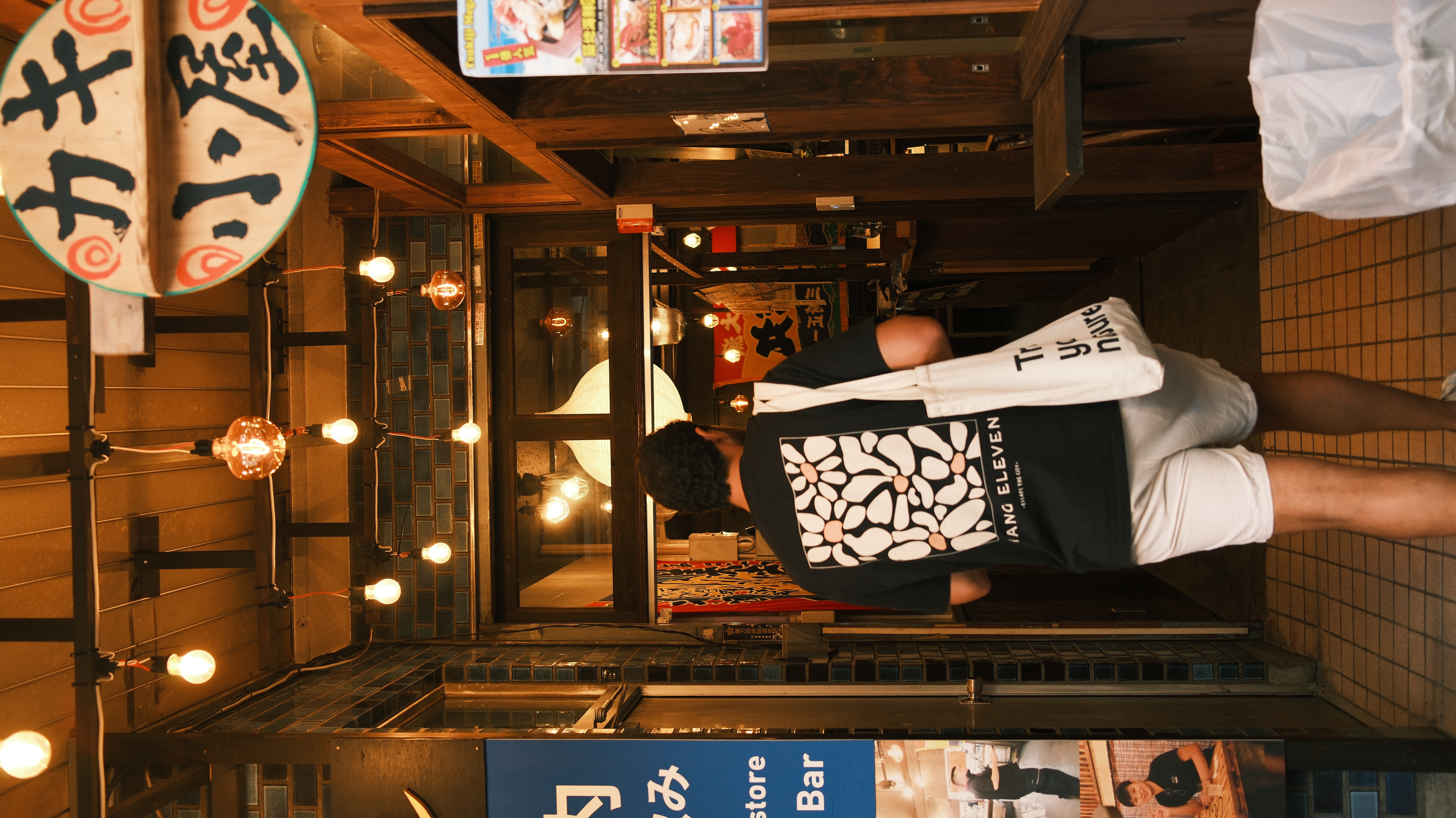
Hoppy Street (Hoppy-dori) is a pedestrian street south of Sensō-ji full of traditional izakayas — the kind with plastic tablecloths, low wooden stools, and menus that haven't changed since the 1970s. Hoppy is a non-alcoholic malt beverage (traditionally mixed with shochu) that gave the street its name and is still the house drink at most of these establishments.
For lunch or an early afternoon drink, Hoppy Street is excellent. The izakayas here serve traditional Japanese pub food — yakitori, edamame, karaage (fried chicken), pickles, cold tofu — at very reasonable prices. A full lunch with drinks comes to €10–20 per person.
The street has a lived-in, local feel that's increasingly hard to find in tourist-heavy Tokyo. Go early (noon–2pm) before the afternoon tourist rush.
Sumida River and Azumabashi Bridge
Walk south from Sensō-ji to Azumabashi Bridge (about 5 minutes). The view from the bridge over the Sumida River with the Tokyo Skytree reflected in the water is one of the defining images of modern Tokyo — ancient neighbourhood in the foreground, Japan's tallest structure rising behind it. Photograph it in the morning light or at dusk when the Skytree is lit up.
The canal path along the Sumida River is a pleasant 30-minute walk north toward the Skytree area if you have the energy.
Tokyo Skytree
Japan's tallest structure (634 metres) is a 10-minute walk from Sensō-ji. The observation decks offer extraordinary 360-degree views of Tokyo — on clear days, Mt. Fuji is visible 100km to the west. Tickets for the main deck (350m) cost ¥2,100 (~€13); the premium deck (450m) is ¥3,400 (~€21). Both are worth it on a clear day.
The base of the Skytree (Solamachi) is a large shopping and restaurant complex with excellent food options. Good for lunch before or after the observation deck.
Asakusa Culture Tourist Information Center
A small practical tip: the tourist information building directly opposite the Kaminarimon gate has a free observation terrace on the top floor with one of the best views of the Kaminarimon gate and Nakamise Street you'll find. Go up before entering the temple.
Where to Eat in Asakusa
Breakfast/brunch: The stalls on Nakamise for ningyo-yaki (red bean cakes) and street snacks. Sit-down breakfast at one of the soba restaurants near Sensō-ji.
Lunch: Hoppy Street izakayas for traditional Japanese pub food at very good prices. Or one of the tempura restaurants on the streets east of Sensō-ji — Asakusa's tempura tradition is old and the quality is excellent.
Dinner: The neighbourhood quietens after 6pm as the day-trippers leave — this actually makes it very pleasant for dinner. The izakayas on Hoppy Street continue serving; the restaurants on the canal road near the river are good for a more relaxed evening meal.
See more of Tokyo's east side
FAQ
Is Asakusa worth visiting?
It's one of our favourite neighbourhoods in Tokyo and a genuine must-visit — particularly in the morning before the crowds. The combination of Sensō-ji, Kappabashi, Hoppy Street, and the Sumida River makes it a full half-day (or more).
How long should I spend in Asakusa?
Half a day minimum — 3–4 hours covers the temple, a browse of Kappabashi, and lunch on Hoppy Street. A full day is possible if you combine it with Ueno (15-minute walk) or the Tokyo Skytree.
Is Asakusa good for shopping?
For traditional Japanese crafts, yes — Asakusa is one of the best places in Tokyo for lacquerware, tenugui, kitchen equipment (Kappabashi), and traditional clothing accessories. Skip the generic souvenir shops on main Nakamise and look for the specialist shops on the side streets.
Is Asakusa far from Shinjuku and Harajuku?
About 25–30 minutes by metro on the Ginza Line (change at Shibuya for Harajuku, or Omotesando for Shinjuku direction). Far enough that it's a dedicated trip, close enough to combine with the rest of central Tokyo in a full day.
More Tokyo Guides
Some links in this post are affiliate links. If you book through them, we earn a small commission at no extra cost to you — it helps us keep writing guides like this one.