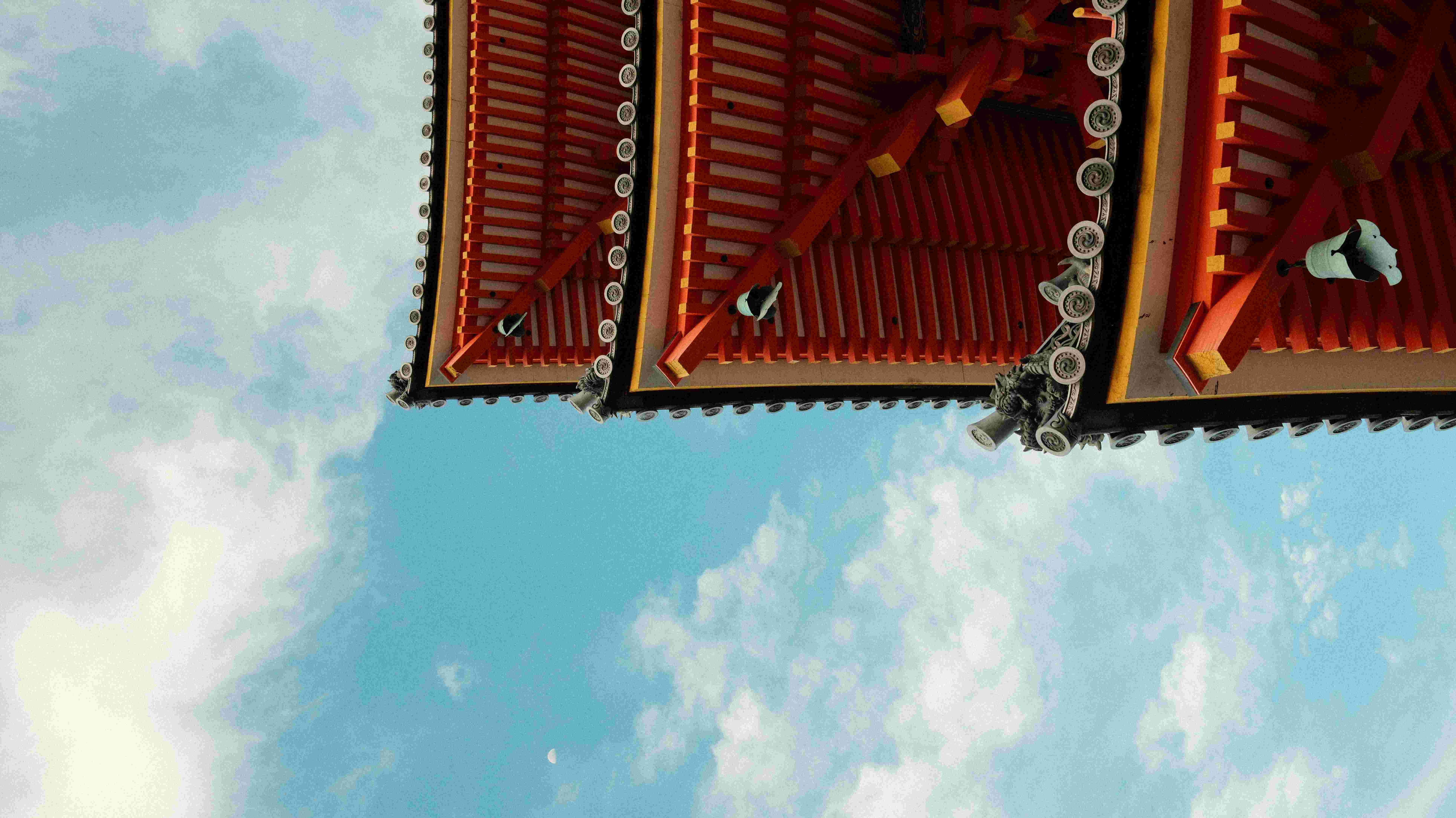
One day in Kyoto isn't enough — but it's enough to see the city properly if you're ruthless about timing. The secret is simple: start before sunrise, pick one area, and resist the urge to zigzag.
If you have more time, read our 2-day Kyoto itinerary or our guide on how many days you actually need in Kyoto. But if one day is what you've got, here's how to make it count.
The Golden Rule for One Day in Kyoto
Pick one area and do it well. Don't try to cover Arashiyama, Higashiyama, Fushimi Inari, and the Golden Pavilion in a single day — you'll spend more time on buses than at temples, and you'll arrive at each place exactly when the crowds do.
Our recommendation for a single day: Fushimi Inari at sunrise + Higashiyama and Gion for the rest of the day. These two areas give you Kyoto's most iconic sight at its best, followed by its most atmospheric neighbourhood at a comfortable pace.
The Itinerary
5:30am — Fushimi Inari Taisha
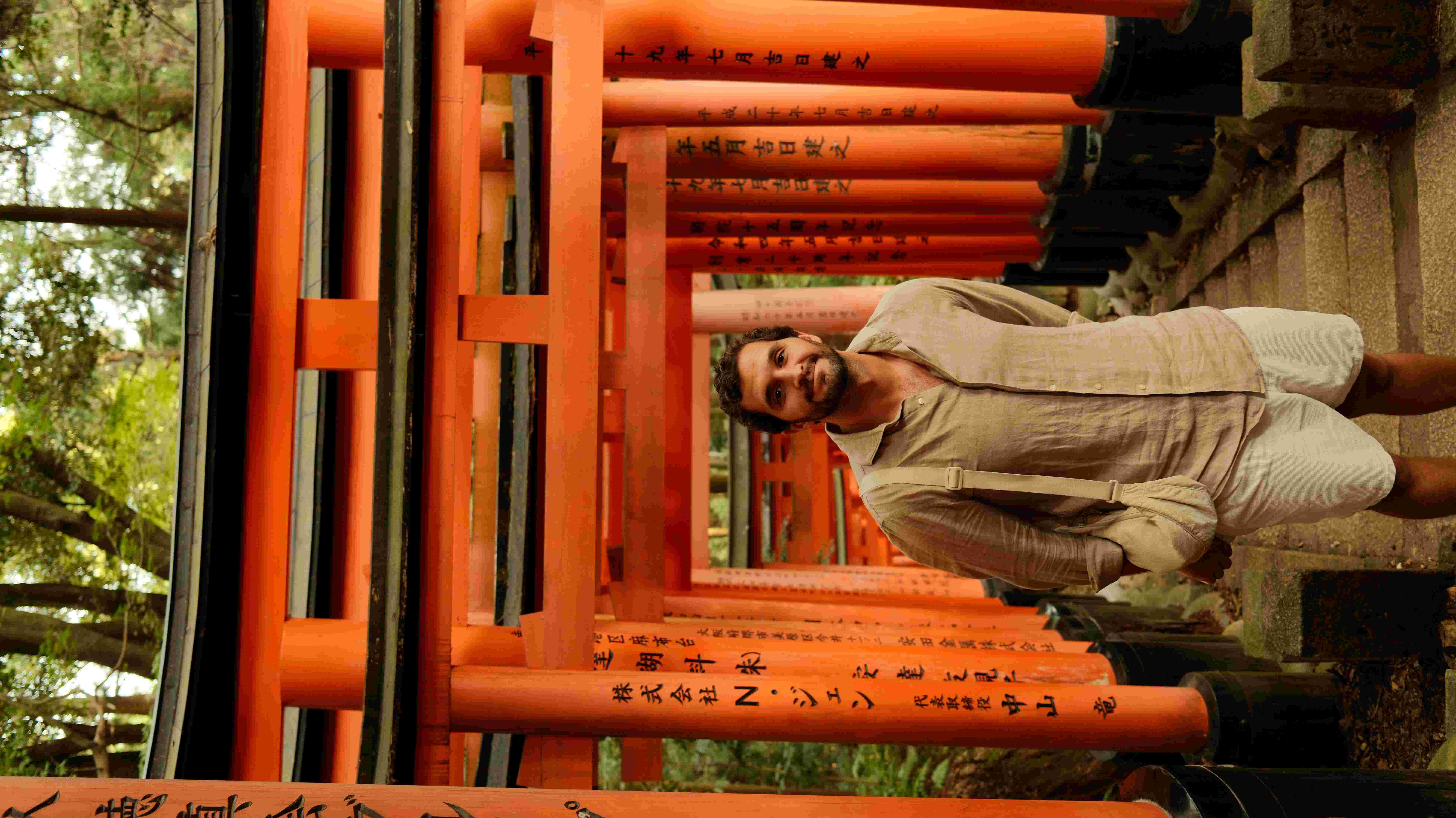
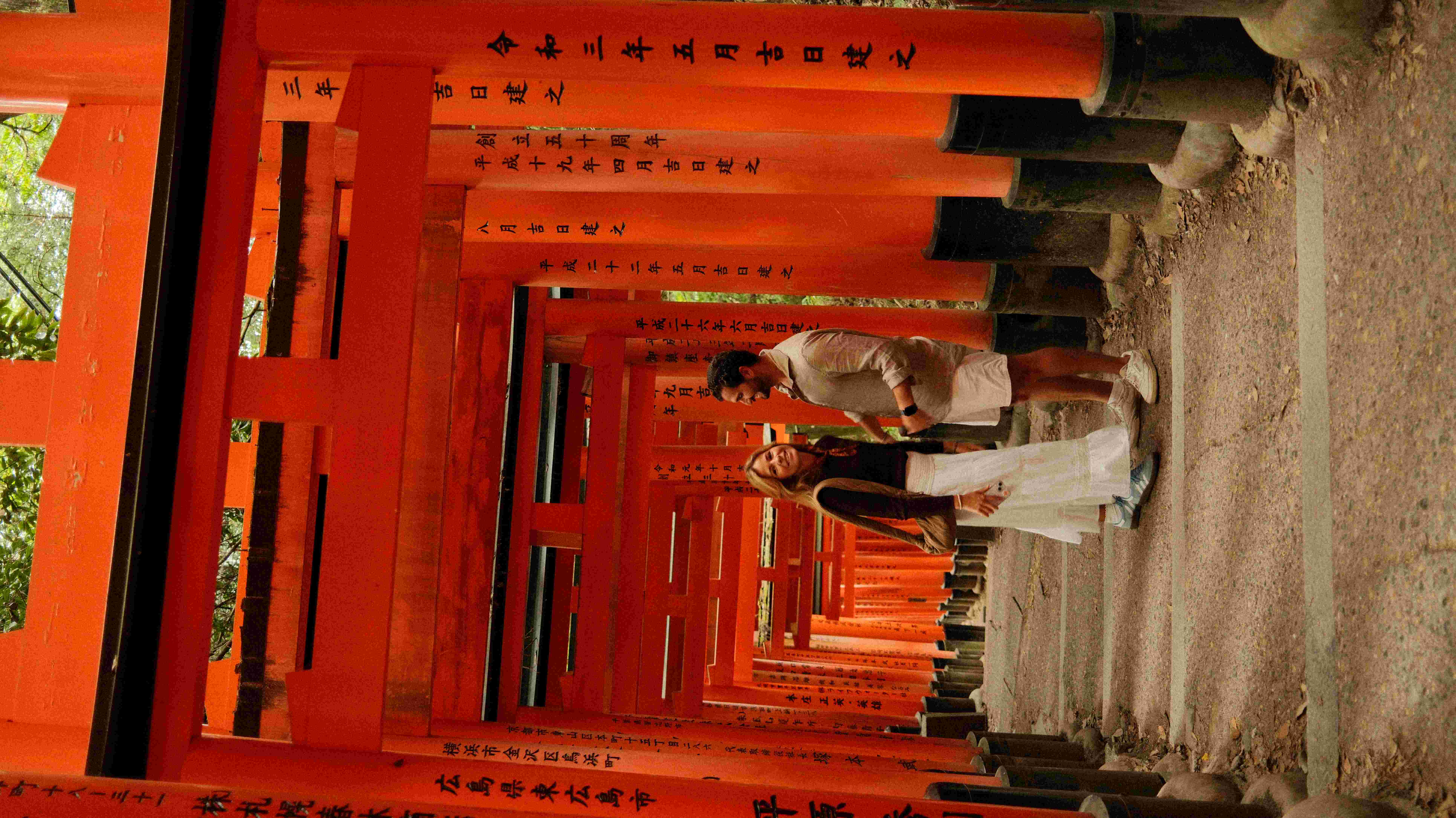
This is non-negotiable: arrive before sunrise. The thousands of vermillion torii gates winding up Inari Mountain are one of the most iconic images in Japan — and they look completely different before the crowds arrive. At 5:30–6am, the lower gates are almost empty. The light filters through the red columns in long amber shafts, and the whole mountain feels ancient and still. By 9am, it's a queue of tourists shoulder to shoulder. You won't get those photos. You won't get that feeling.
Take the JR Nara Line from Kyoto Station to Inari Station (5 minutes, ¥150). The shrine is a 2-minute walk from the station.
You don't need to hike the full mountain (2–3 hours). The lower section — including the two main torii gate tunnels — takes about 45 minutes and includes everything worth photographing. Come back down, get a coffee, and head to the next stop.
We've written a full honest review of Fushimi Inari if you want the complete picture.
7:30am — Breakfast near Fushimi or back in central Kyoto
Head back to central Kyoto for breakfast. Chao Chao Gyoza opens early and their crispy bite-sized gyoza are an excellent morning option — unusual but addictive. Alternatively, grab something from a 7-Eleven and save the sit-down meal for lunch.
9:00am — Ninenzaka & Sannenzaka
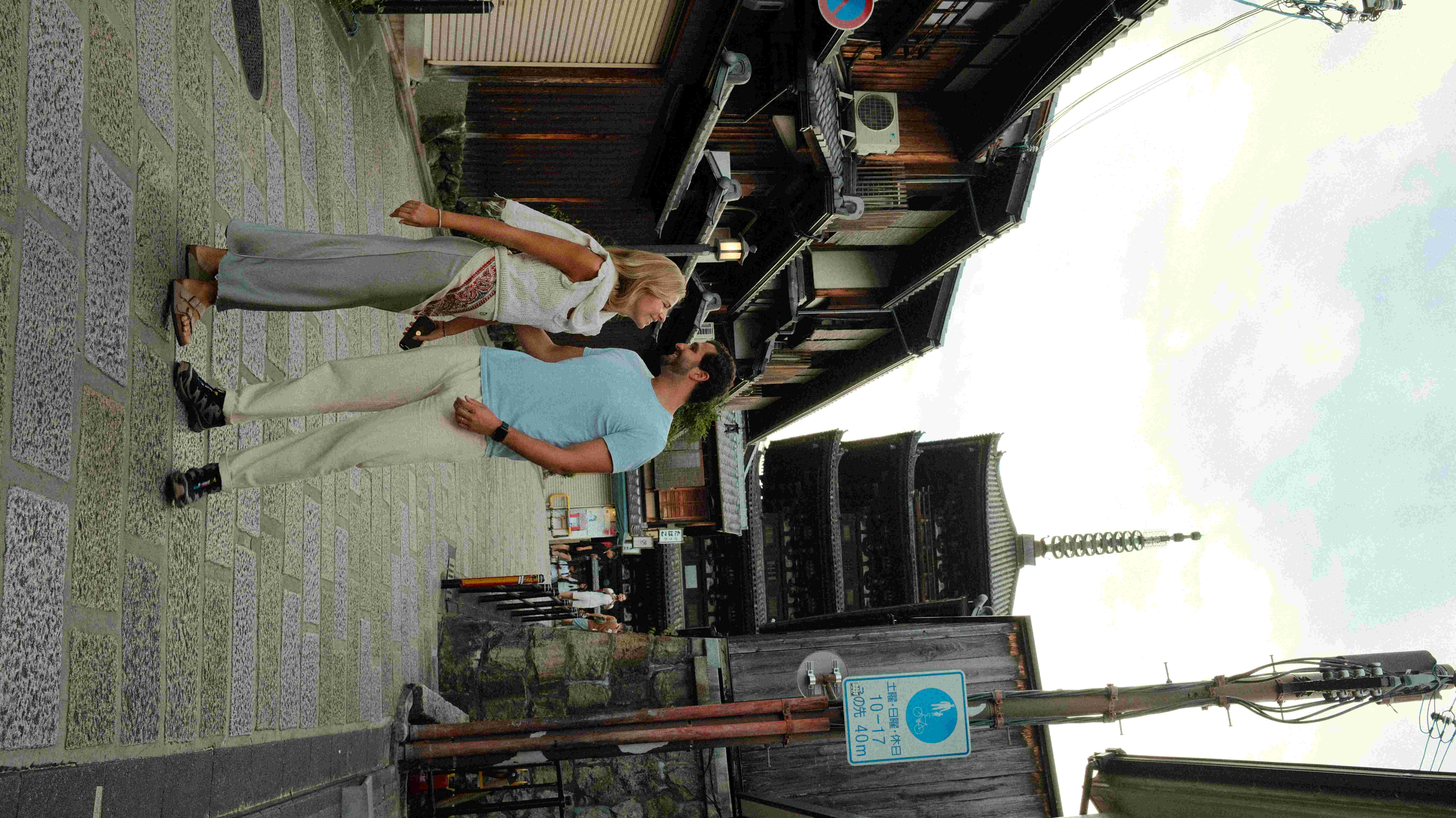
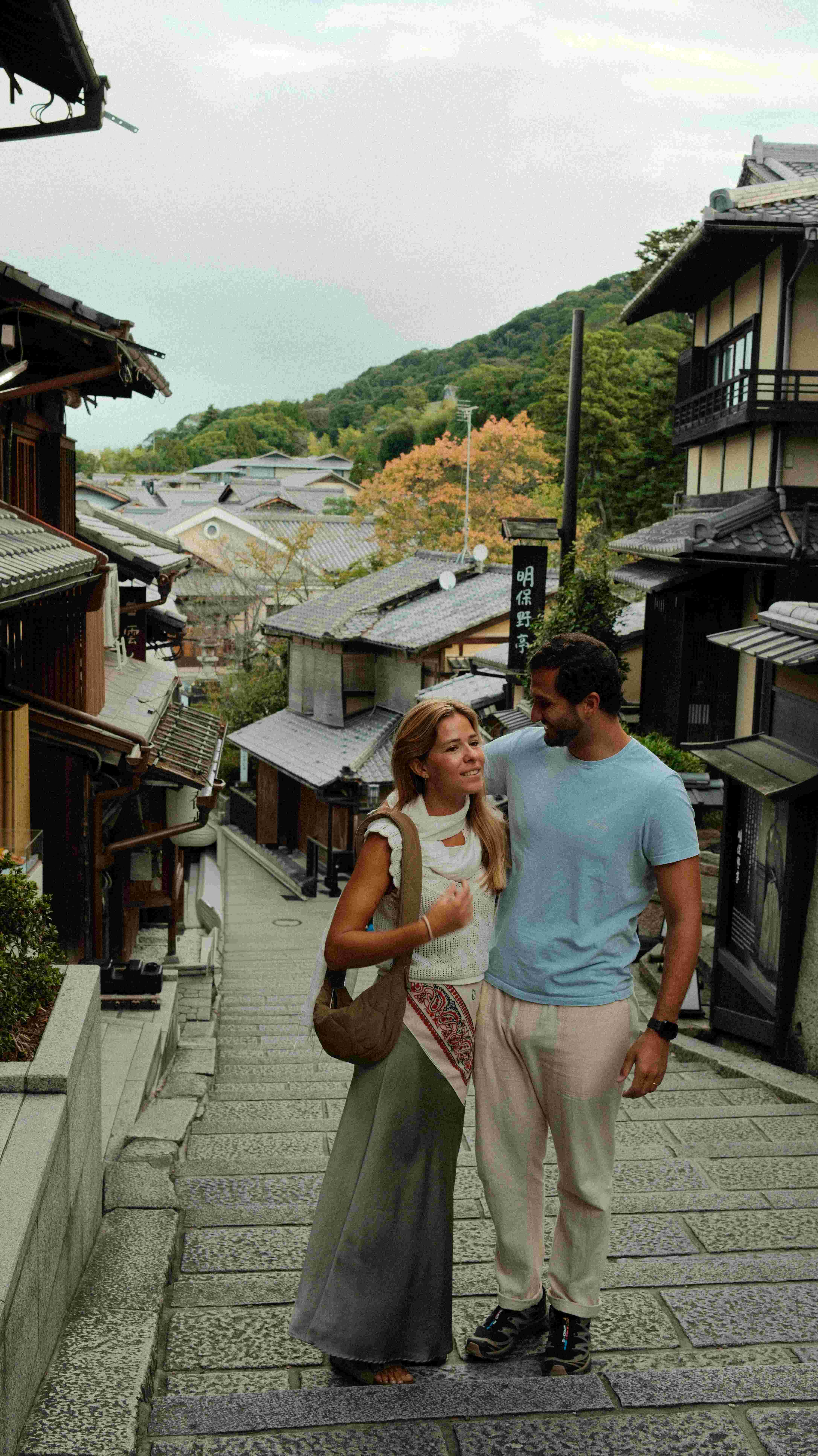
Take a bus to the Higashiyama area (bus 100 or 206 from central Kyoto — check Google Maps for current routing). Arrive at Ninenzaka and Sannenzaka — the old stone-paved lanes lined with wooden tea houses and shops — by 9am, while they're still quiet. Walk slowly. These streets are one of Kyoto's best experiences and far better before the tour groups arrive at 10am.
10:00am — Kiyomizu-dera Temple
Walk up through the lane to Kiyomizu-dera. The hillside temple with its wooden stage extending out over the slope offers sweeping views over Kyoto's rooftops. Entry ¥500. Allow 45–60 minutes. The walk back down through the old lanes gives you a second pass at the shops and stalls — the matcha soft serve here is excellent.
12:00pm — Lunch in the Gion area
Ramen Sen-no-Kaze Kyoto for a deeply flavourful bowl of ramen. Or walk to Chao Chao Gyoza (Shijo Kawaramachi) for crispy gyoza if you didn't have them at breakfast — they're that good. Both are within easy reach of the Higashiyama area.
1:30pm — Kenninji Temple
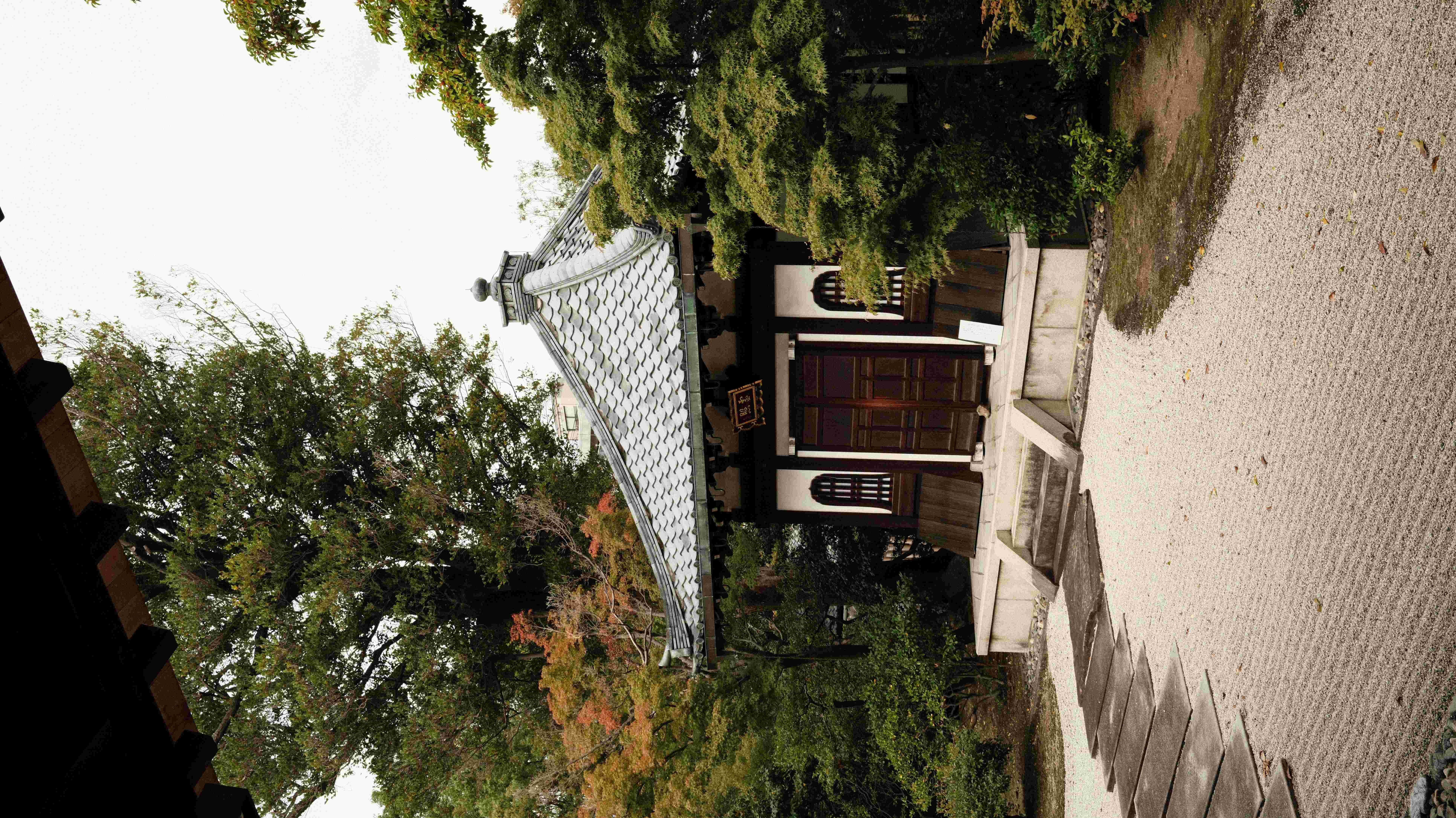
Walk fifteen minutes from Kiyomizu-dera to Kenninji — Kyoto's oldest Zen temple and our personal favourite in the city. Almost nobody on a day trip includes it. The twin dragon ceiling paintings (Souryuu-zu) are extraordinary — two massive ink dragons painted on a circular canvas in the main hall. The rock gardens are precise and calming. Entry ¥600. Allow 45–60 minutes.
3:00pm — Gion & Hanamikoji Street
Walk north into Gion. Hanamikoji Street in the late afternoon has a completely different feel from the morning — the light softens, the wooden lanterns start to glow, and if you're timing it right you might catch a geiko or maiko heading to an evening appointment. Walk slowly. Stop at Yasaka Shrine at the northern end of the street — it's free to enter and beautiful at dusk.
5:30pm — Evening at Pontocho Alley

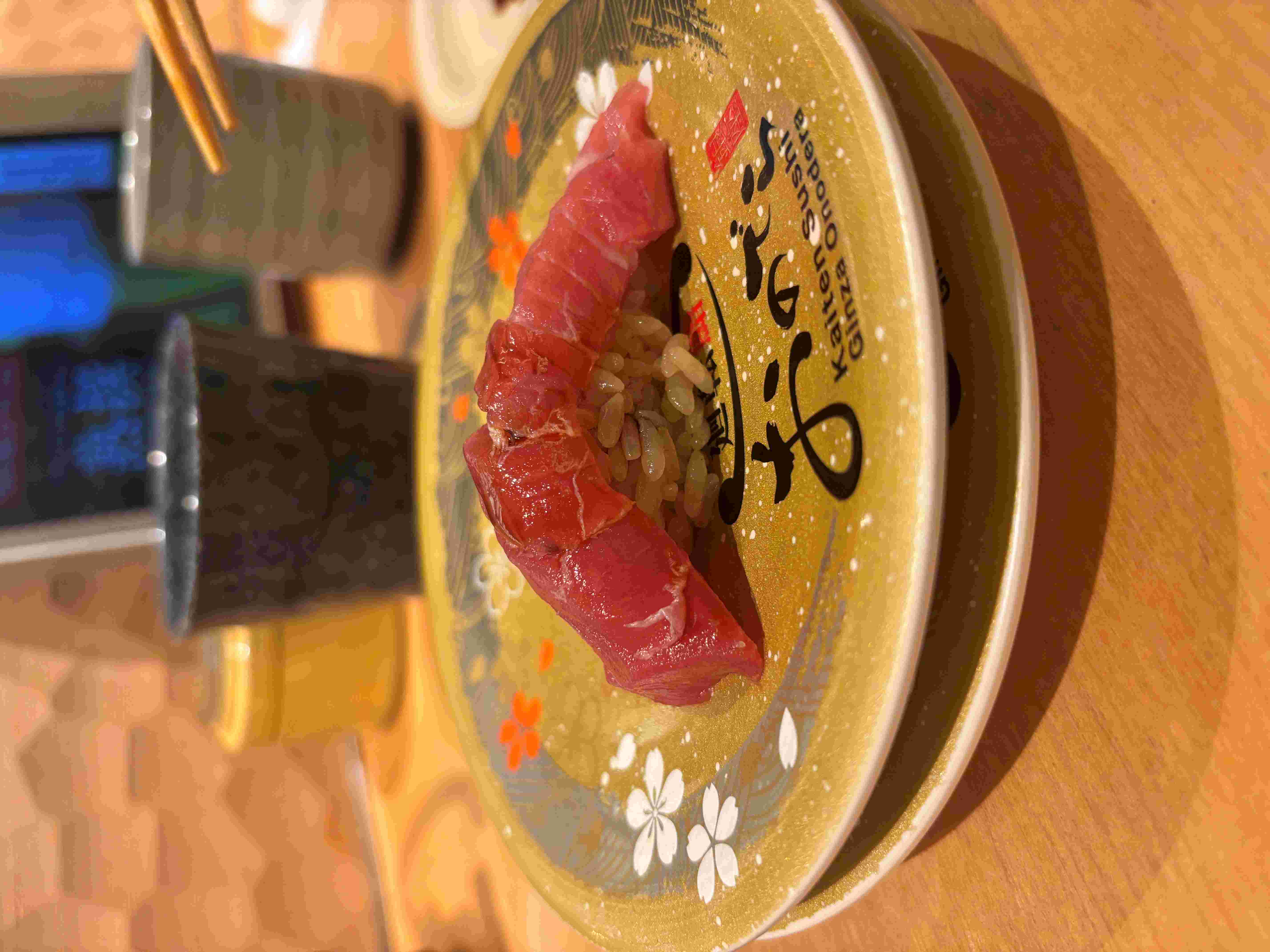
Walk to Pontocho Alley — the narrow lane parallel to the Kamo River — for dinner. Browse the full length of the alley first, look at menus and what's being served, and pick a spot that feels right. In summer, ask about the kawayuka terrace — riverside tables over the water. One of Kyoto's best evening experiences. Maruman in the Gion area is worth trying for sushi if you want a more specific recommendation — line up or reserve in person ahead of time.
What to Skip With Only One Day
- Arashiyama and the bamboo grove — they deserve a full dedicated morning (before 7:30am). Don't rush them into an afternoon on a one-day trip.
- Kinkaku-ji (the Golden Pavilion) — it's in a different part of the city and the bus journey eats into time. Save it for a second day.
- Nijo Castle — interesting but not essential on a single day when Higashiyama and Gion offer more of Kyoto's atmosphere.
Practical Notes
- Getting around: Suica card works on all Kyoto buses. Google Maps for real-time routing.
- Temple fees: Carry ¥3,000–5,000 in cash — Fushimi Inari is free, but Kiyomizu-dera (¥500) and Kenninji (¥600) require cash.
- Shoes: Comfortable walking shoes — you'll cover 15,000–20,000 steps easily.
More Kyoto Guides
- 2 Days in Kyoto Itinerary
- How Many Days in Kyoto Do You Need?
- Is Kyoto Worth Visiting? Our Honest Review
- The Best Things to Do in Kyoto + What to Skip
- Is Fushimi Inari Worth Visiting?
- Is the Kyoto Bamboo Forest Worth Visiting?
- Kyoto Food Guide: Our Top Restaurants
- The Best Time to Visit Kyoto
- Where to Stay in Kyoto: Best Areas & Hotels
- The Best Cafes in Kyoto
- The Best Temples and Shrines in Kyoto
- Tea Ceremony in Kyoto: Is It Worth It?
- Kyoto vs Osaka: Where Should You Stay?
- Is Osaka Worth Visiting?
- Koyasan from Osaka/Kyoto: Day Trip or Overnight
- Is Kanazawa Worth Visiting?
- All Japan Guides
Some links in this post are affiliate links. If you book through them, we earn a small commission at no extra cost to you.